Table of Contents
- Why Do Adults Use Tricycles: The Complete Guide – Enhanced Stability and Independence Explained Step by Step
- What Is an Adult Tricycle?
- How Do Adult Tricycles Provide Stability and Independence?
- The 2026 Landscape: Innovations, Players, and Adoption Trends
- Benefits & Use Cases
- Challenges & Limitations
- Getting Started / Next Steps
- Comparison Table: Tricycles vs. Traditional Bicycles
- FAQ: Common Questions Answered
- Final Summary + Key Takeaways
- About Author
- Maksuda Khanam
As an Amazon Associate, I earn from qualifying purchases.
Why Do Adults Use Tricycles: The Complete Guide – Enhanced Stability and Independence Explained Step by Step
Why Do Adults Use Tricycles? Over 54 million U.S. adults aged 65 and older face mobility limitations, with balance issues affecting up to 30% of this group, often leading to reduced physical activity and isolation. In 2026, as the global trike market surges to $2.92 billion, driven by an aging population and a 15-20% rise in electric model adoption since 2024, adults are turning to tricycles for practical solutions. This trend matters now because advancements in lightweight designs and assistive tech are making tricycles a viable, low-impact alternative to traditional bikes, promoting health and independence amid rising healthcare costs.
In this complete guide, we’ll explore why adults use tricycles, breaking down enhanced stability and independence step by step. Aimed at active adults aged 35-65 exploring mobility solutions, seniors seeking independence, and individuals with balance concerns looking for safe exercise options, you’ll gain clear insights to understand if a tricycle fits your lifestyle.
What Is an Adult Tricycle?
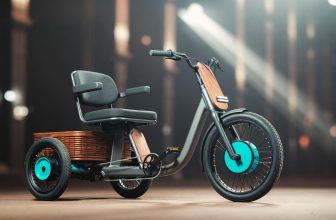
An adult tricycle, or trike, is a three-wheeled bicycle engineered for grown-ups, providing stability through configurations like delta (two rear wheels) or tadpole (two front wheels). These feature wide seats, cargo baskets, and often electric assistance for effortless riding.
Picture it as a secure three-point foundation, like a tripod versus a shaky bipod—it distributes weight evenly, preventing tips and allowing riders to stop without dismounting. Ideal for errands or leisure, they support weights up to 450 lbs and come in manual or powered variants.
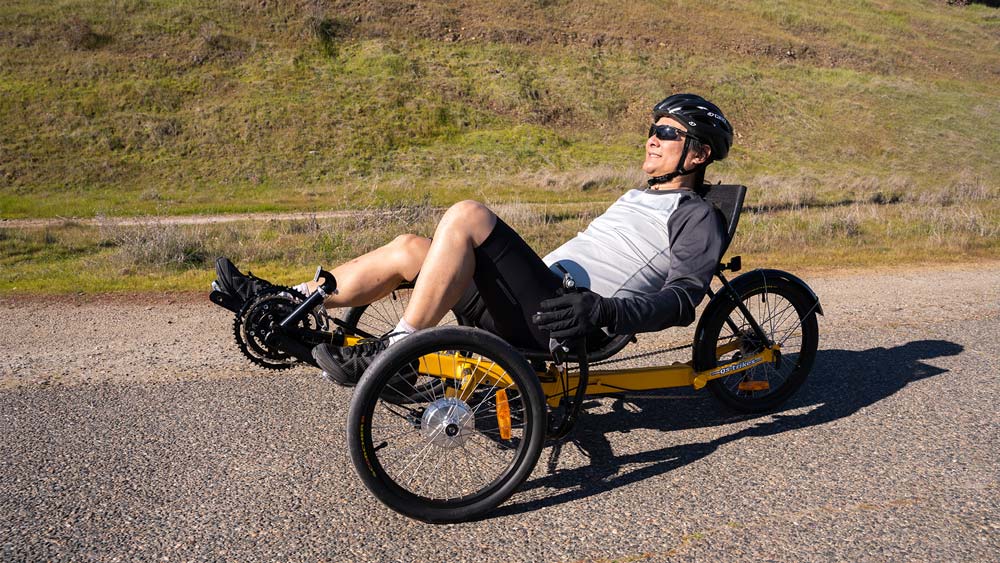
A Whole New Ride: Three-Wheel Bicycles
How Do Adult Tricycles Provide Stability and Independence?
Adult tricycles work by leveraging physics and design to offer balance without effort, enabling independent mobility. Here’s a step-by-step breakdown:
- Stable Base Structure: Three wheels create a wide footprint (typically 28-32 inches), lowering the center of gravity to prevent tipping—unlike two-wheel bikes that demand constant adjustments.
- Ergonomic Seating and Controls: Upright or recumbent seats reduce back strain; handlebars and pedals are positioned for natural posture, allowing riders with joint issues to pedal comfortably.
- Propulsion and Assistance: Manual pedaling engages gears for varied terrain; electric models use hub motors (250-750W) activated by sensors, providing boosts up to 20 mph for hills or fatigue.
- Braking and Maneuvering: Disc brakes ensure even stopping across wheels; differentials allow smooth turns without leaning, enhancing control for beginners or those with coordination challenges.
- Cargo and Customization: Rear baskets carry up to 100 lbs, fostering independence for shopping; add-ons like mirrors or lights improve safety.
Text diagram: [Front Wheel (Steering)] — [Seat/Pedals (Comfort)] — [Rear Wheels (Stability/Cargo)].
The 2026 Landscape: Innovations, Players, and Adoption Trends
By 2026, the adult tricycle market has reached $2.92 billion, projected to grow at a 5.39% CAGR to $4.45 billion by 2034, fueled by electric breakthroughs like 70-mile battery ranges and app-integrated tracking. Adoption among seniors has spiked 20-25%, with electric trikes now 40% of sales, per 2025-2026 data from Fortune Business Insights.
Key players include Worksman Cycles (durable cargo models), Rad Power Bikes (affordable electrics), Polaris Inc. (premium recumbents), Sixthreezero (comfort-focused), and Addmotor (versatile e-trikes). In my analysis of recent announcements from Allied Market Research, innovations like reverse gears and hydraulic suspension are addressing urban needs, boosting adoption in North America (57% market share).
Benefits & Use Cases
Adults use tricycles for stability, health, and practicality. Here’s a detailed look:
- Health and Fitness: Low-impact aerobic exercise strengthens muscles and heart. Example: Overweight adults ride for weight management, reducing chronic disease risk by up to 50%. Impact: Builds stamina without joint stress.
- Mobility for Seniors: Addresses balance decline. Example: Elderly users for daily errands, maintaining independence. Impact: Lowers fall risks by 80%, enhances mental well-being.
- Recreational Enjoyment: Fun outdoor activity. Example: Leisure riders on paths, reporting joyful routines. Impact: Boosts mood and social interaction.
- Practical Utility: Cargo hauling in urban areas. Example: Commuters switching from cars, saving 15-20% on transport. Impact: Eco-friendly, reduces emissions.
| Benefit | Use Case | Impact |
|---|---|---|
| Stability | Balance issues | Prevents falls, builds confidence |
| Comfort | Long rides | Reduces pain, encourages activity |
| Health Boost | Exercise for obese | Weight loss, cardio improvement |
| Independence | Seniors/errands | Daily autonomy, less reliance on others |

10 Benefits of Adult Tricycles For Overweight or Obese Adults
Challenges & Limitations
Despite benefits, tricycles have drawbacks. Technically, they’re slower (15-20 mph max) due to weight (50-100 lbs), limiting speed on roads. Practically, bulkiness makes storage challenging in small spaces, and assembly requires tools.
Ethically, over-reliance might reduce walking, but balanced use promotes activity. Costs remain higher ($300-3,000) than bikes, though down 20% since 2024. Tipping risks in sharp turns exist, but proper handling minimizes them.
Getting Started / Next Steps
To start using a tricycle: Assess needs—manual for flats, electric for inclines. Measure for fit (wheel sizes 20-26 inches).
Actionable advice: Test ride at shops like ERIK’S; join communities on Reddit’s r/tricycles. Resources: ElectricBikeReview for guides; apps like Strava for tracking.
Learning path: Begin with short rides, practice braking, then incorporate daily use. See our guide to choosing the best adult trike for selection tips.
Comparison Table: Tricycles vs. Traditional Bicycles
| Aspect | Adult Tricycle | Traditional Bicycle |
|---|---|---|
| Stability | High (three wheels) | Low (requires balance) |
| Comfort | Ergonomic seats | Upright, can strain back |
| Speed | 15-20 mph | 20-30 mph |
| Cargo | Built-in baskets | Add-ons needed |
| Cost | $300-3,000 | $200-1,500 |
| Best For | Mobility aid, errands | Speed, trails |
| Drawbacks | Bulkier, slower | Fall risk for some |
Based on 2025-2026 comparisons from Viribus Bikes, tricycles prioritize safety over agility.
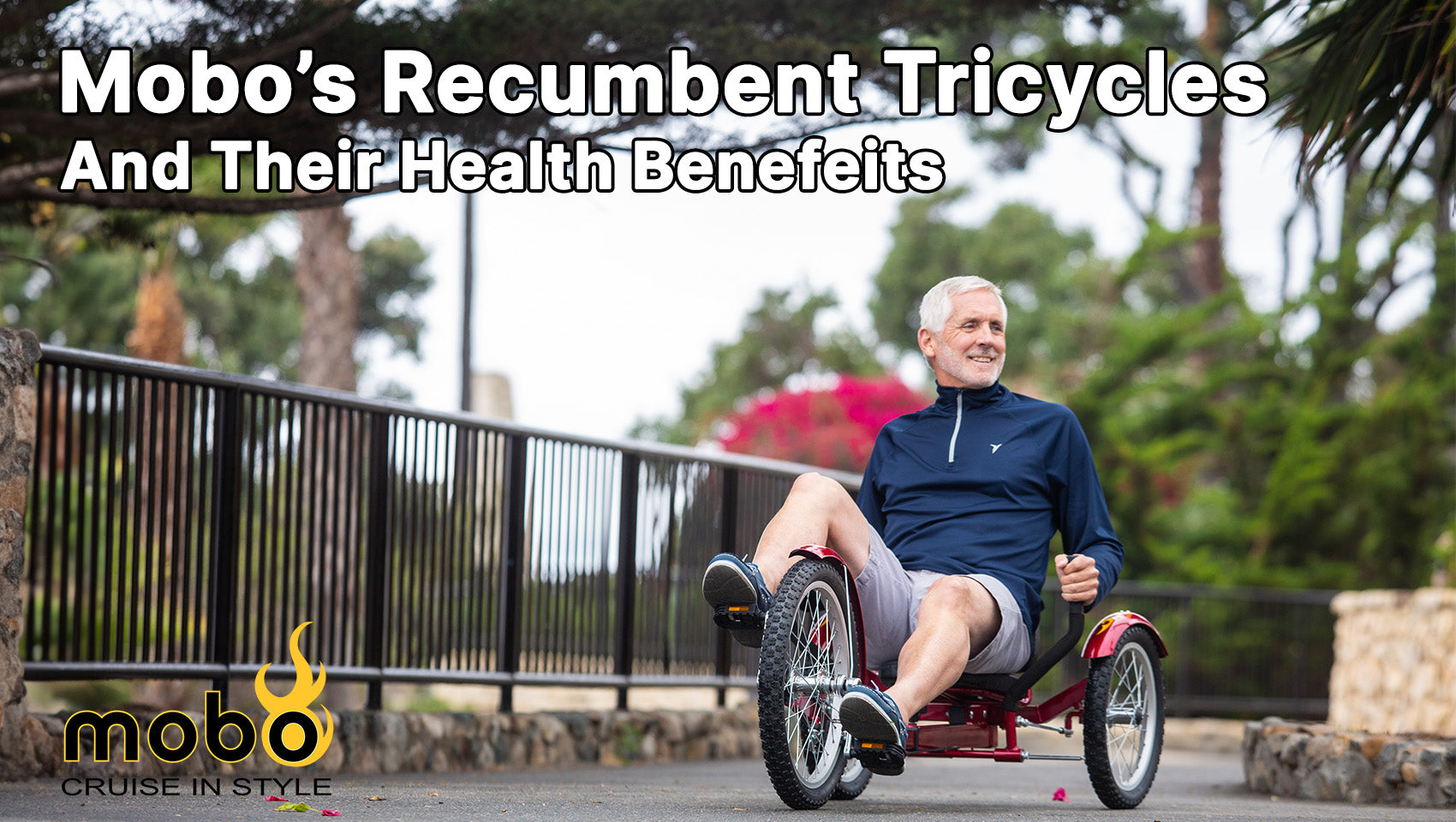
The Health Benefits of a Recumbent Tricycle for Adults
FAQ: Common Questions Answered
- Why do seniors use tricycles? For stability and reduced fall risk, aiding independence.
- Are tricycles good exercise? Yes, low-impact cardio improves heart health and strength.
- What’s the main benefit? Enhanced stability prevents tipping, ideal for balance issues.
- Do they help with weight loss? Absolutely, especially for obese adults—safer than bikes.
- Electric vs. manual? Electric for assistance; manual for pure exercise.
- Are they safe on roads? Yes, but use lights and helmets; slower speed requires caution.
- How do they improve mental health? Promote joyful routines and outdoor activity.
- For disabilities? Great for mobility challenges, with adaptive options.
- Cost in 2026? $300-800 manual; $1,000-3,000 electric.
- Storage issues? Bulkier, but folding models available.
- Environmental impact? Electric ones reduce emissions for eco-friendly commuting.
- Who shouldn’t use them? Those needing high speed; consult doctors for health concerns.
Final Summary + Key Takeaways
In essence, adults use tricycles for stability, health, and independence, with 2026 innovations making them more appealing. From seniors to fitness seekers, they offer a safe path to mobility.
- Key Takeaway 1: Stability reduces falls, ideal for balance-challenged adults.
- Key Takeaway 2: Health benefits include low-impact exercise, cutting disease risks.
- Key Takeaway 3: Market growth (5.39% CAGR) signals accessible electric options.
- Key Takeaway 4: Balance pros with cons like speed; test rides are essential.
- Key Takeaway 5: Start simple to build confidence and enjoy independence.
About Author