Table of Contents
As an Amazon Associate, I earn from qualifying purchases.
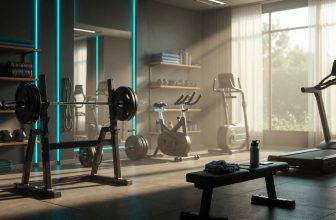
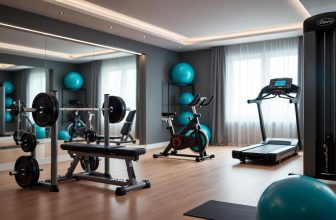
Should You Build a Home Gym?
Should You Build a Home Gym? Yes, if you have space and plan long-term use—home gyms offer convenience, privacy, and cost savings after 3-4 years, with 52% of exercisers preferring at-home workouts in recent surveys.
Benefits of Building a Home Gym
Home gyms provide unmatched convenience, eliminating commutes and wait times. You can train anytime, saving 30-60 minutes per session.
- Time Savings and Consistency: No travel or crowded equipment; studies show higher adherence rates.
- Privacy and Comfort: Control environment, music, and temperature; ideal for beginners or those avoiding gym anxiety.
- Health Advantages: Regular access supports mental health benefits like reduced stress; 3 out of 4 people prefer home setups for customization.
- Family Fitness: Encourages shared workouts, promoting household health.
The convenience and privacy of a home gym can make it more appealing to engage in physical activity, leading to consistent mental health benefits over time.” — REP Fitness
For more on home workout trends, see ACSM’s 2025 Fitness Trends.
Cost Analysis: Home Gym vs. Gym Membership
Initial setup costs $1,000-$3,000 on average (2025 data), but pays off quickly.
| Aspect | Home Gym | Gym Membership |
|---|---|---|
| Upfront Cost | $1,500-$3,000 (average) | $0-$200 initiation |
| Annual Cost (after yr 1) | $0 (maintenance minimal) | $600-$1,200 |
| Breakeven Point | 3-4 years | Ongoing |
| Long-Term (10 years) | $3,000 total | $6,000-$12,000 |
Home gyms save thousands long-term, especially with rising membership fees (average $65/month in 2025).
Pros and Cons
Pros
- Convenience (24/7 access)
- Long-term savings
- Customization
- Hygiene control
- No waiting for equipment
Cons
- High initial investment
- Limited equipment variety
- Space requirements
- Self-motivation needed
- Maintenance responsibility
Space Requirements for a Home Gym
Minimum: 50-100 sq ft for basics (mat, dumbbells).
- Small (100-200 sq ft): Bodyweight, bands, adjustable dumbbells.
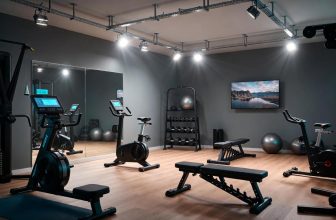
- Medium (200-400 sq ft): Power rack, bench, cardio machine.
- Large (400+ sq ft): Multiple stations, full cardio.
Ceiling height: 8-10 ft for overhead lifts. Garages or basements work well.
Essential Equipment Recommendations
Start minimal; expand gradually.
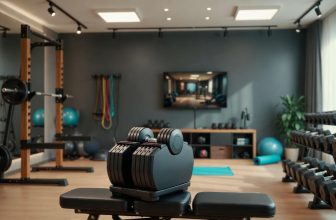
- Adjustable dumbbells ($200-500)
- Bench ($100-300)
- Barbell and plates ($300-800)
- Power rack ($500-1,000)
- Mat and bands ($50-200)
- Cardio: Treadmill or rower ($500-1,500)
Top picks from experts:
- Rogue Ohio Bar (barbell)
- Bowflex SelectTech dumbbells
- Concept2 Rower
For detailed reviews, check Consumer Reports’ Best Home Gym Equipment.
How to Get Started
Assess space and budget. Buy quality used if possible. Focus on versatile items first.
FAQ
Is a home gym worth the cost?
Yes for consistent users; breakeven in 3-4 years vs. memberships.
How much space do I need minimum?
100 sq ft for basics; 200+ for full setup.
Home gym vs. membership: which is better?
Home for convenience/privacy; membership for variety/social motivation.
What are 2025 home fitness trends?
Smart equipment, hybrid training, compact foldables.
Can I build muscle at home?
Absolutely—with progressive overload via free weights.
Final Thoughts
Building a home gym empowers consistent training on your terms. Weigh space, budget, and commitment—many find it transformative for long-term fitness. Start small and scale up.
About Author