Table of Contents
- Why Is Peloton Bike So Expensive?
- Key Cost Factors
- Subscription Model Drives Revenue
- Current Pricing Breakdown (Late 2025)
- Comparison to Alternatives
- Benefits Justifying the Cost
- FAQ
- Is the Peloton Bike worth the high price?
- Why does Peloton require a subscription?
- Are there cheaper Peloton options?
- Has Peloton lowered prices?
- Can I use Peloton without subscription?
- Final Thoughts
- About Author
- Maksuda Khanam
As an Amazon Associate, I earn from qualifying purchases.
Why Is Peloton Bike So Expensive?
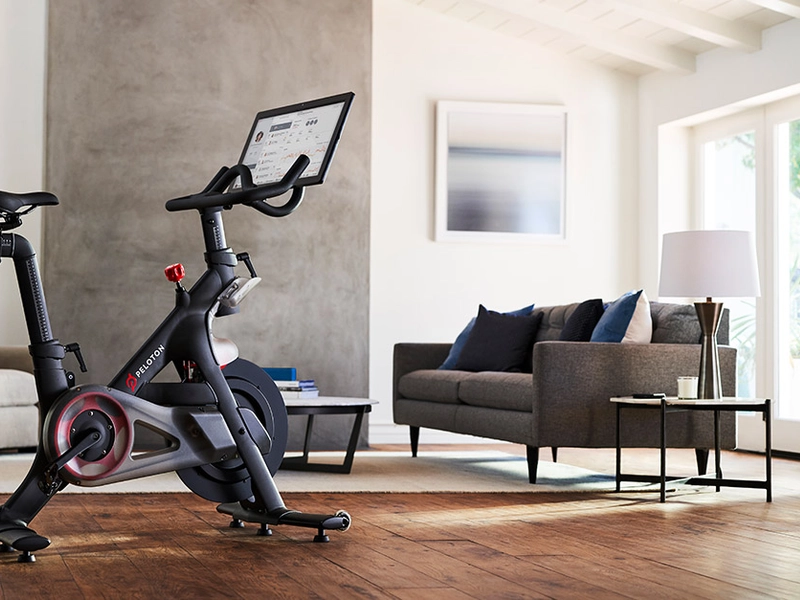
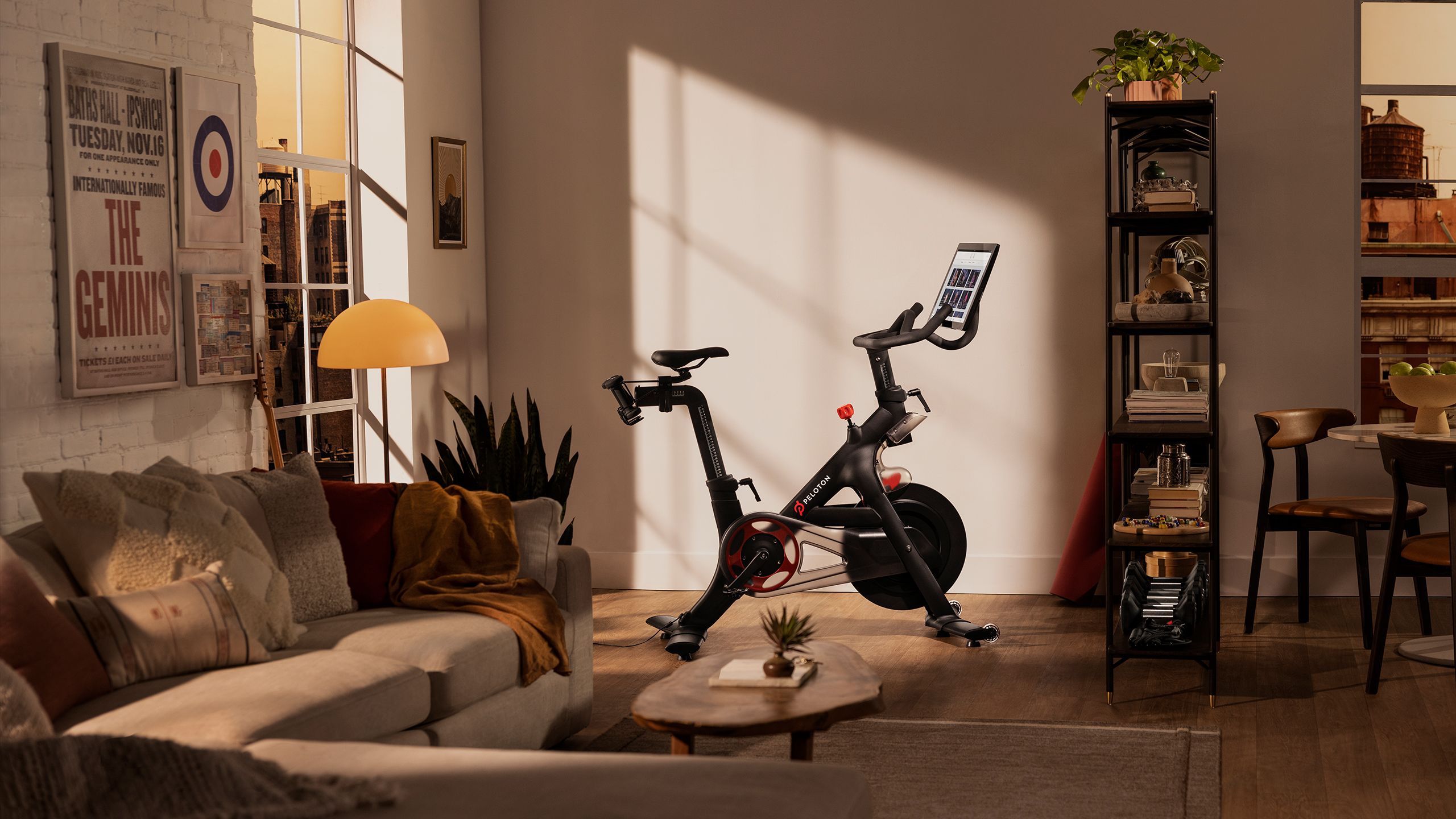
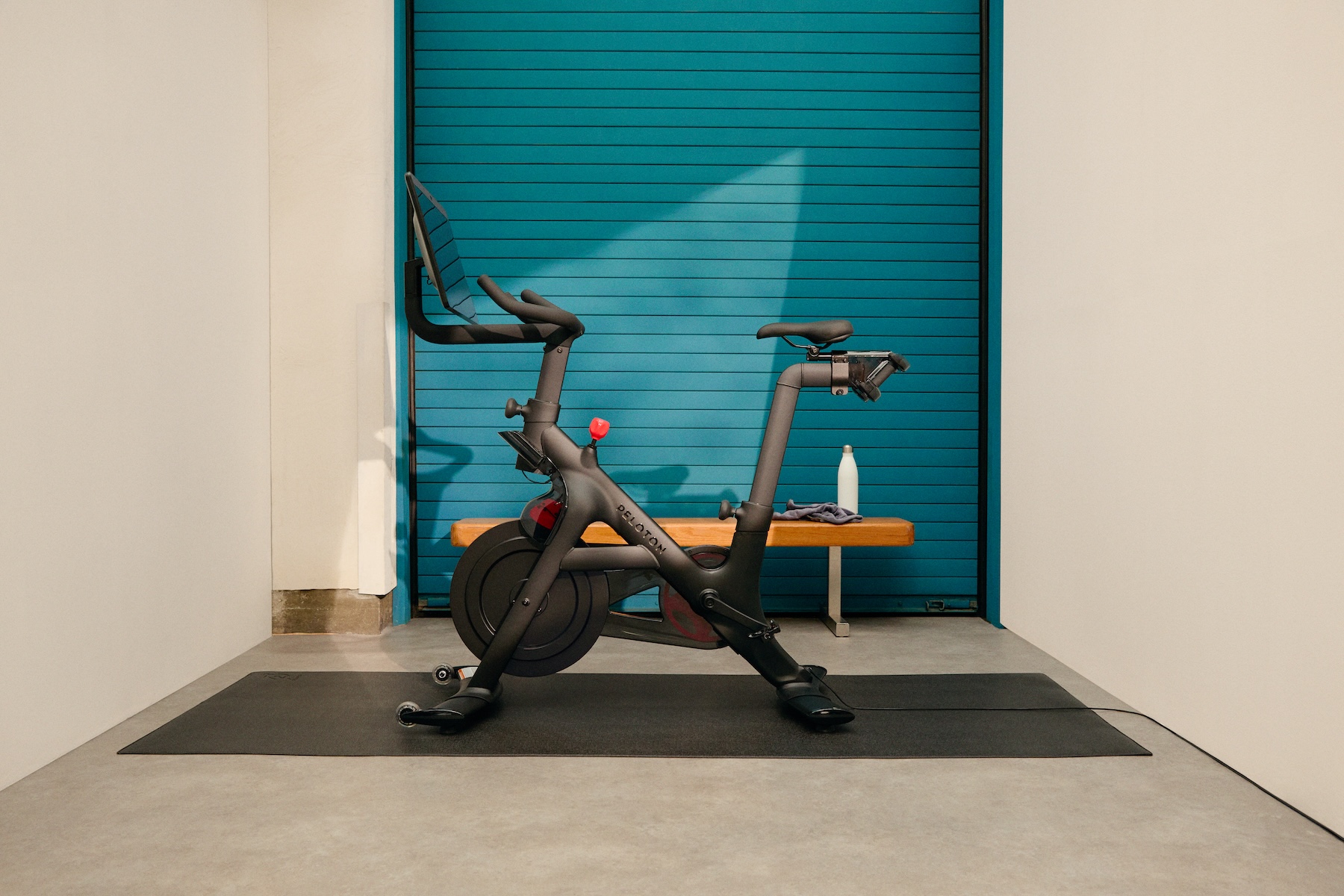
Why Is Peloton Bike So Expensive? The Peloton Bike is expensive due to its premium build, integrated high-resolution touchscreen, streaming technology for live/on-demand classes, and a subscription-based model where recurring fees drive profitability—Cross Training Bike starts at $1,695 and Bike+ at $2,695 as of late 2025, plus $49/month All-Access membership.

Key Cost Factors
Peloton justifies pricing through quality and ecosystem.
- Hardware Quality: Sturdy carbon steel frame, magnetic resistance for quiet operation, adjustable components.
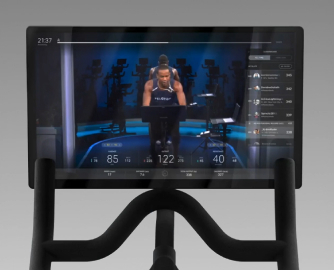
- Technology Integration: 22–24-inch HD touchscreen, front-facing camera, premium speakers, auto-resistance on Bike+.
- Content Production: Thousands of studio classes with professional instructors, live sessions, music licensing.
- Brand Positioning: Perceived as premium; lower prices once hurt sales perception.
- R&D and Features: AI coaching (Peloton IQ), 360-degree swivel screens in newer models.
Manufacturing costs are high, contributing to low hardware margins historically.
For detailed reviews, see Wirecutter’s Peloton guide.

Subscription Model Drives Revenue
Peloton earns most from recurring fees.
- Subscriptions now ~62% of revenue.
- ~2.88–3 million paid connected fitness subscribers in 2025.
- All-Access at $49/month unlocks full classes, leaderboards, metrics.
- High-margin subscriptions subsidize hardware.
Total first-year cost often exceeds $2,200 including membership.
Explore pricing at Peloton official site.


Current Pricing Breakdown (Late 2025)
Post-2025 updates and holiday deals.
| Model | Price | Key Features | Subscription |
|---|---|---|---|
| Cross Training Bike | $1,695 | 22″ screen, swivel | $49/mo |
| Cross Training Bike+ | $2,695 | 24″ swivel, auto-resistance, AI | $49/mo |
| Refurbished Original | $695–$1,145 | Basic model | $49/mo |
Prices exclude delivery, accessories (~$125 shoes, weights).
Comparison to Alternatives
Basic spin bikes cost $300–$800 without screens/content.
- Peloton premium: Immersive classes, community.
- Competitors (Echelon, NordicTrack): Lower hardware cost, similar subscriptions.
- Value for heavy users: Cheaper than boutique studio classes ($30+/session).
“Premium pricing aligns with aspirational fitness branding.” – Industry analyses.
Benefits Justifying the Cost
For dedicated users:
- Motivation via leaderboards, live shouts.
- Convenience saves time/money vs. gyms.
- Multi-modal training (cycling + strength/yoga).
- High adherence from engaging instructors.
Many report long-term savings over studio memberships.
FAQ
Is the Peloton Bike worth the high price?
Yes for class enthusiasts needing motivation; no for basic cycling.
Why does Peloton require a subscription?
Unlocks classes, metrics, community; core revenue source.
Are there cheaper Peloton options?
Refurbished bikes $695+; app-only $13–$29/month on own bike.
Has Peloton lowered prices?
2025 revamp raised some; deals on refurbished/holidays.
Can I use Peloton without subscription?
Limited: Just pedal mode, no classes.
Final Thoughts
Peloton’s expense stems from premium hardware, tech innovations, and a subscription ecosystem prioritizing recurring revenue over cheap hardware. At $1,695–$2,695 plus $49/month, it suits motivated users valuing immersive classes and community. Alternatives offer similar cardio cheaper, but Peloton excels in engagement. Weigh usage—if riding consistently, the investment pays off in fitness gains and convenience.
About Author