
Table of Contents
- Why Home Workouts Are Better Than Gym: The Complete Guide – Achieving Fitness Goals Faster and More Sustainably Explained Step by Step
- What Are Home Workouts?
- How Home Workouts Work
- The 2026 Home Workout Landscape
- Benefits and Use Cases
- Challenges and Limitations
- Getting Started: Next Steps
- Comparison Table: Home Workouts vs. Traditional Gym
- FAQ
- Final Summary and Key Takeaways
- About Author
- Maksuda Khanam
As an Amazon Associate, I earn from qualifying purchases.
Why Home Workouts Are Better Than Gym: The Complete Guide – Achieving Fitness Goals Faster and More Sustainably Explained Step by Step
Why Home Workouts Are Better Than Gym? In a fast-paced world where 50% of US gym-goers now identify fitness as a core part of their identity, yet only 20% have their own home gym, many are struggling to maintain consistent routines amid busy schedules. With rising costs and time constraints, traditional gym memberships are becoming less appealing. This matters now more than ever in 2026, as hybrid work models and tech advancements make flexible fitness essential for long-term health. In this guide, we’ll deliver clear, step-by-step insights to help you understand why home workouts often outperform gym sessions, empowering you to build sustainable habits and achieve results faster.
What Are Home Workouts?
Home workouts are structured exercise routines performed in your living space using bodyweight, minimal equipment like dumbbells or resistance bands, or tech tools such as apps and smart devices. Think of them like cooking a gourmet meal in your kitchen: you have all the essentials at hand, no need to drive to a restaurant, and you can customize every ingredient to your taste for maximum satisfaction and efficiency.

Modern Home Gym Setup with Dumbbells, Yoga Mat, and Fitness …
How Home Workouts Work
Building a home workout routine is straightforward and adaptable. Here’s a step-by-step breakdown to get you started:
- Assess Your Space and Goals: Clear a small area (about 6×8 feet) for movement. Define objectives, like weight loss or strength building, using simple tools like a yoga mat and dumbbells.
- Warm-Up (5-10 Minutes): Start with dynamic stretches—arm circles, leg swings, and marching in place—to increase blood flow and prevent injury.
- Main Workout (20-40 Minutes): Focus on compound exercises. For example:
- Squats: Stand with feet shoulder-width, lower as if sitting back into a chair, then rise (3 sets of 10-12 reps).
- Push-ups: From plank position, bend elbows to lower chest, then push up (modify on knees if needed).
- Planks: Hold forearm plank for 20-30 seconds, engaging core.
- Cool Down and Track Progress: End with static stretches, like touching toes. Use a fitness app to log sessions and monitor improvements.
This process mimics a personal trainer’s guidance but at your pace, ensuring progressive overload for gains.
The 2026 Home Workout Landscape
In 2026, home workouts have surged, with adoption rates climbing as 60% of pandemic-era home exercisers continue the habit, per recent surveys. Breakthroughs include AI-powered apps like those from Peloton and Apple Fitness+, which use wearable data for personalized plans—market projected at $186 billion by 2030. Key players: Peloton (interactive classes), Tonal (smart strength systems), and NordicTrack (affordable connected equipment). Adoption stats show 44% of Gen Z facing motivation challenges opt for home setups, up from 37% overall, driven by hybrid training trends blending strength and cardio. Based on 2025-2026 ACSM trends, mobile exercise apps rank #4 globally, with over 345 million users.
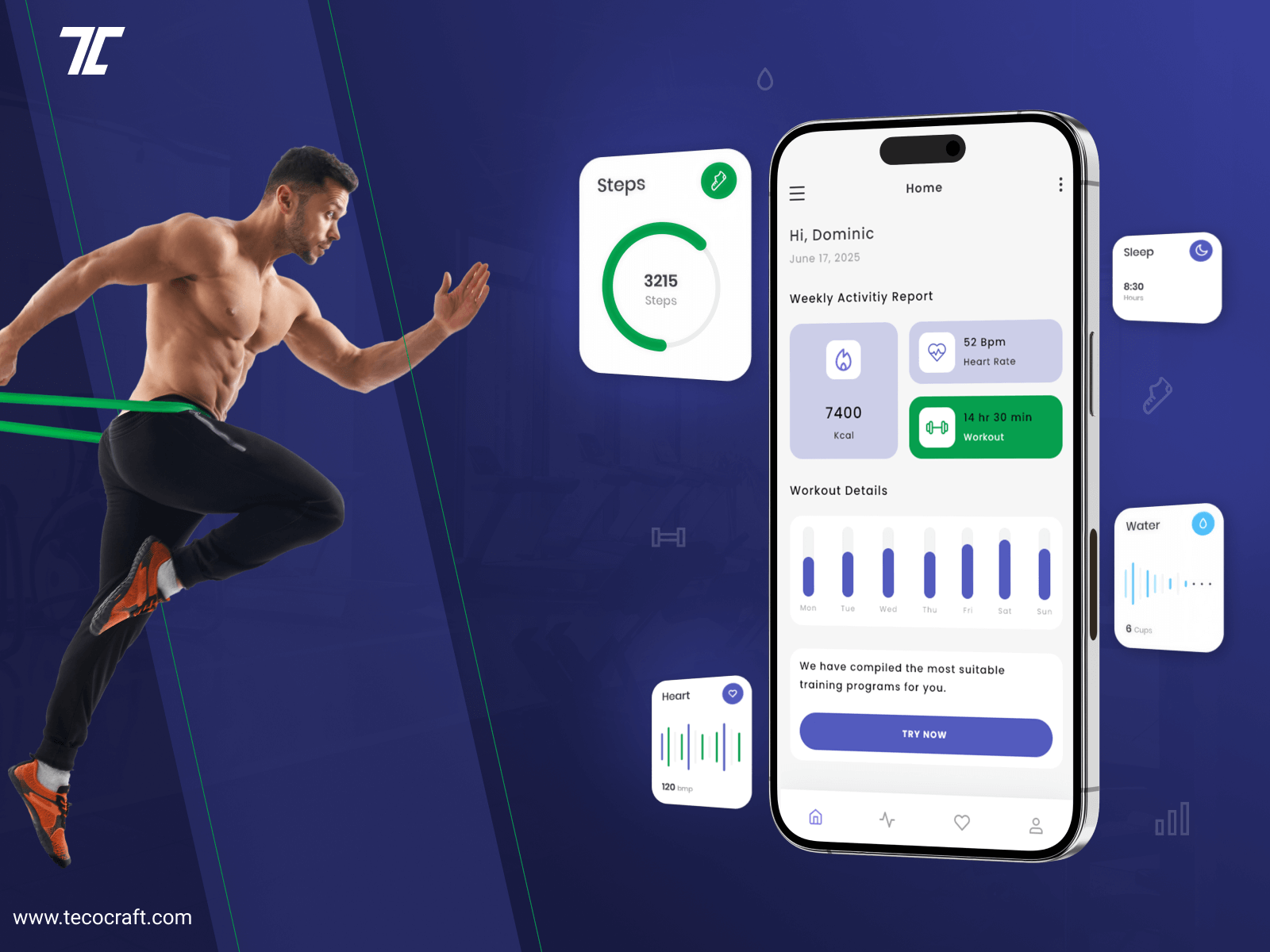
Smarter AI Powered Fitness Apps for Fitness and Wellness
Benefits and Use Cases
Home workouts deliver versatility across industries. Here’s a breakdown:
- Tech Professionals (25-40): Use AI apps for quick 20-minute HIIT sessions during breaks; impact: boosts focus, reduces stress, with studies showing 10-20% lower mortality risk from weekly strength training.
- Students: Bodyweight routines like planks build endurance for long study days; example: 30-day challenges improve sleep and cognition, per CDC data on physical activity benefits.
- Small Business Owners: Flexible resistance band workouts save time; impact: cost drops 40% vs. gym fees (average $600/year), enhancing work-life balance.
These cases highlight sustainability, with 60% sticking to home routines long-term.
Challenges and Limitations
While effective, home workouts aren’t perfect. Technical issues like limited space can hinder advanced lifts, potentially leading to plateaus. Ethically, over-reliance on apps might overlook professional medical advice for injuries. Practically, motivation dips without gym community—44% of Gen Z report this. In my analysis of recent McKinsey reports, self-discipline is key, but hybrid models mitigate isolation.
Getting Started: Next Steps
Ready to dive in? Follow this actionable path:
- Gather Basics: Start with a mat, dumbbells (5-20 lbs), and free apps like Nike Training Club. Budget: under $100.
- Build a Routine: Use our beginner guide (see our guide to bodyweight exercises) for 3-4 sessions/week, 30 minutes each.
- Learn and Track: Watch YouTube tutorials from certified trainers. Resources: ACSM guidelines, Peloton app trials. Progress to advanced tools like Tonal for smart feedback.
- Stay Consistent: Set reminders, join online communities for accountability.
This path ensures safe, effective starts.
Comparison Table: Home Workouts vs. Traditional Gym
| Aspect | Home Workouts | Traditional Gym |
|---|---|---|
| Cost | One-time $200-500 setup, no fees | $600-1,800/year membership |
| Convenience | Anytime, no commute | Fixed hours, travel required |
| Equipment | Minimal, customizable | Extensive, but shared |
| Motivation | Self-driven, apps for guidance | Community, classes |
| Results | Comparable for consistency | Structured, but less flexible |

Why 3 Out of 4 People Choose Home Gyms Vs. Gym Memberships …
FAQ
- Are home workouts as effective as gym ones? Yes, studies show similar strength and cardio gains with consistent effort.
- What equipment do I need for beginners? A mat, dumbbells, and bands suffice; start bodyweight.
- How do I stay motivated at home? Use apps with challenges; 60% report better adherence due to flexibility.
- Can home workouts build muscle? Absolutely, with progressive overload; add weights over time.
- What’s the cost comparison? Home: initial low investment; gym: ongoing fees averaging $50/month.
- Are there risks with home workouts? Injury from poor form; consult pros via apps or videos.
- How long should sessions be? 20-45 minutes, 3-5 days/week for beginners.
- Best apps for 2026? Peloton, Apple Fitness+ for AI personalization.
- Do home workouts help with weight loss? Yes, combining cardio and strength burns calories effectively.
- What if I have limited space? Focus on bodyweight; no gym crowds to navigate.
- How to track progress? Apps monitor metrics; aim for weekly improvements.
- Is gym better for socialization? Yes, but online communities bridge the gap for home users.
Final Summary and Key Takeaways
Home workouts empower sustainable fitness in 2026’s tech-driven world, offering flexibility and cost savings over gyms while delivering comparable results. By following this guide, you’ll achieve goals faster through personalized, efficient routines.
- Prioritize consistency: 3-5 sessions/week yields 10-20% health risk reductions.
- Leverage tech: AI apps boost adherence by 35%.
- Balance with challenges: Address motivation with hybrid elements.
- Start simple: Minimal setup for maximum impact.
About Author