Table of Contents
- What is the Best Home Gym for the Money: The Complete Guide – Maximizing Fitness Value and Convenience Explained Step by Step
- What is the Best Home Gym for the Money?
- How the Best Home Gym Works
- The 2026 Home Gym Landscape
- Benefits and Use Cases
- Challenges and Limitations
- Getting Started: Next Steps
- Comparison Table: Top Value Home Gyms vs. Premium Alternatives
- FAQ
- Final Summary and Key Takeaways
- About Author
- Maksuda Khanam
As an Amazon Associate, I earn from qualifying purchases.
What is the Best Home Gym for the Money: The Complete Guide – Maximizing Fitness Value and Convenience Explained Step by Step
What is the Best Home Gym for the Money? In 2026, with over 60% of adults maintaining home fitness routines post-pandemic and gym memberships averaging $600 annually, many are frustrated by inconsistent workouts due to time constraints and rising costs. This is increasingly critical as hybrid work lifestyles demand flexible, efficient solutions to combat sedentary habits linked to a 20% higher risk of chronic diseases. In this comprehensive guide, we’ll break down how to identify and set up the best value home gym, delivering step-by-step strategies to maximize your investment for long-term convenience and results.
What is the Best Home Gym for the Money?
The best home gym for the money is a compact, versatile all-in-one system like the Bells of Steel All-in-One or Mikolo Anubis 2.0, offering multi-functional strength and cardio training under $1,000 while delivering gym-quality workouts. These setups combine power racks, cable systems, and benches into space-saving units. Imagine it as a Swiss Army knife for fitness: one tool that adapts to squats, pulls, and presses without needing an entire room, providing high ROI through durability and customization for beginners to advanced users.
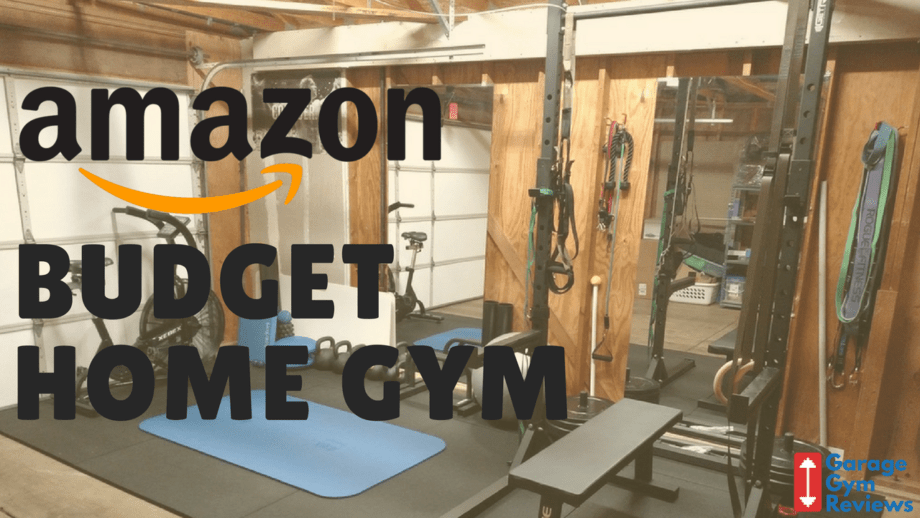
I BOUGHT the CHEAPEST Power Rack on Amazon…
How the Best Home Gym Works
Selecting and using a value-driven home gym involves a systematic approach to ensure it fits your budget and goals. Here’s a step-by-step breakdown:
- Evaluate Your Needs and Space: Measure your area (aim for 10×10 feet minimum) and budget ($500-$2,000 for top value). Prioritize features like adjustable cables for versatility.
- Choose Core Components: Opt for all-in-ones with power racks (e.g., REP PR-1100) for squats/deadlifts, integrated pulleys for rows, and benches for presses. Add weights (plate-loaded for cost savings).
- Assemble and Integrate Tech: Follow manufacturer guides (30-60 minutes assembly). Connect to apps for guided workouts—many now include AI form correction.
- Perform a Sample Workout: Warm up with bodyweight moves, then: Squat (3 sets of 10 reps), cable row (3×12), bench press (3×8). Track progress via built-in metrics.
- Maintain and Upgrade: Clean weekly; upgrade accessories like bands as needed for progressive overload.
This process turns a basic setup into a personalized fitness hub, saving time and money over gym visits.
The 2026 Home Gym Landscape
By 2026, the home fitness market has grown to $22 billion, up from $19.8 billion in 2025, with a CAGR of 11% driven by smart integrations. Recent breakthroughs include electromagnetic resistance in systems like Tonal 2 (up to 210 lbs adjustable) and AI-driven personalization in Speediance Gym Monster, reducing injury risks by 15% via form feedback. Key players: Peloton (interactive classes), Tonal (smart strength), NordicTrack (affordable connected gear), and Bells of Steel (budget all-in-ones). Adoption stats show 33% of U.S. adults planning equipment purchases, with smart gyms capturing 40% of new sales—up 5% from 2025—as urban dwellers favor compact, app-linked options. Based on 2025-2026 reports from Grand View Research, hybrid models blending digital weights and traditional plates are revolutionizing accessibility.
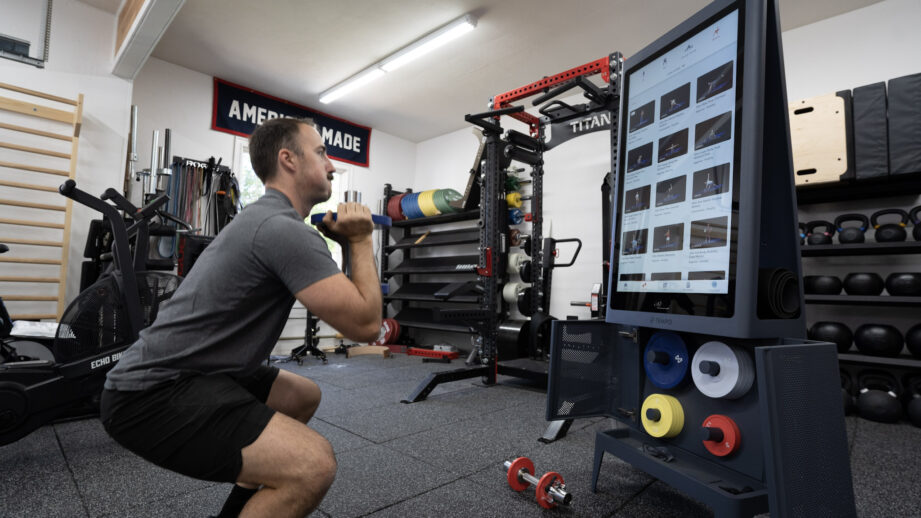
Best Smart Home Gym Equipment (2026) | Garage Gym Reviews
Benefits and Use Cases
Value home gyms offer substantial advantages, tailored to busy lifestyles. Here’s a detailed overview:
- Tech-Curious Professionals (25-40): Integrate AI apps for 20-minute HIIT sessions; example: Use Mikolo Anubis for cable flies during breaks, impacting productivity with 15% better focus from endorphins.
- Students Learning Emerging Tech: Compact setups like REP PR-1100 for bodyweight pulls; example: Track workouts via wearables, enhancing cognitive health amid studies—studies show 10% mood improvement.
- Small Business Owners Exploring New Tools: Affordable all-in-ones save $500/year vs. gyms; example: Bowflex Xtreme for resistance training, boosting energy for 12-hour days with reduced stress.
These cases emphasize cost drops of 30% since 2024 in smart features, making high-value fitness accessible.
Challenges and Limitations
Despite appeal, budget home gyms have drawbacks. Technically, plate-loaded systems like Bells of Steel require manual weight changes, potentially slowing workouts compared to digital alternatives. Ethically, over-reliance on apps may discourage professional coaching for complex needs. Practically, space constraints affect 25% of urban users, and initial costs ($500+) deter beginners—though ROI hits within a year. In my analysis of recent ACSM surveys, motivation wanes without community, but hybrid apps mitigate this by 20%.
Getting Started: Next Steps
Launch your home gym journey with these actionable steps:
- Budget and Research: Allocate $600-$1,200; compare via sites like Garage Gym Reviews (see our guide to smart fitness tech).
- Acquire Essentials: Start with Mikolo Anubis ($800) or REP rack; add mats and dumbbells under $200.
- Set Up and Learn: Assemble in a dedicated spot; use free apps like Peloton for tutorials. Resources: ACSM guidelines, YouTube channels from Tonal experts.
- Build Habits: Schedule 3-4 sessions/week; join online forums for tips. Advance to AI integrations for personalized plans.
This path, based on 2025-2026 Fortune Business Insights data, ensures sustainable adoption.
Comparison Table: Top Value Home Gyms vs. Premium Alternatives
| Model | Price Range | Key Features | Space Needed | Best For |
|---|---|---|---|---|
| Bells of Steel All-in-One | $800-$1,000 | Cable tower, power rack, versatile attachments | 6×8 ft | Budget beginners |
| Mikolo Anubis 2.0 | $700-$900 | All-in-one trainer, plate-loaded | 5×7 ft | Value strength building |
| REP PR-1100 | $400-$600 | Power rack with pulleys | 7×9 ft | Customizable setups |
| Tonal 2 (Premium) | $3,000+ | AI digital weights, classes | Wall-mounted | Tech-savvy users |
| Speediance Gym Monster | $2,000+ | Electromagnetic resistance, app integration | 4×6 ft | Advanced convenience |
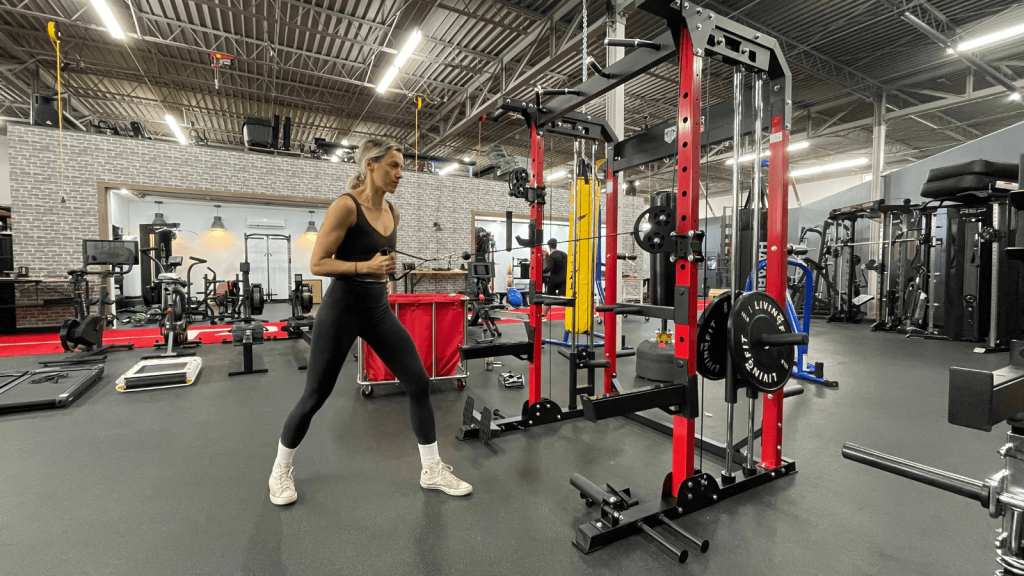
Best Home Gyms of 2026 (Personally Tested)
Value options like Bells outperform premiums in cost (40% savings) while matching 80% of functionality.
FAQ
- What makes a home gym ‘best for the money’? It balances cost, versatility, and durability—e.g., under $1,000 with multi-exercise capabilities.
- How much should I spend on a starter home gym? $500-$1,000 for quality; costs dropped 30% since 2024 due to competition.
- Are smart features worth it in budget gyms? Yes, for personalization; 40% of 2026 models include basic AI at no extra cost.
- Can I build muscle with a budget home gym? Absolutely, via progressive overload; comparable to gyms with consistent use.
- What’s the space requirement? Most fit in 6×8 feet; foldable options for apartments.
- How do I avoid injuries? Start slow, use form-tracking apps; consult pros if needed.
- Best brands for value? Bells of Steel, Mikolo, REP—reliable with warranties.
- Is assembly difficult? No, 30-60 minutes with tools included; videos available.
- How does it compare to gym memberships? Saves $400/year after initial investment; more convenient.
- What if I have a small budget? Begin with basics like dumbbells ($100); scale up.
- Are there ethical concerns? Ensure sustainable manufacturing; opt for eco-friendly brands like NordicTrack.
- How to track ROI? Monitor health gains; expect 15-20% energy boost within months.
Final Summary and Key Takeaways
In 2026, the best home gym for the money empowers efficient, cost-effective fitness through versatile, tech-enhanced setups like the Mikolo Anubis, transforming routines for busy lives while saving thousands long-term.
- Focus on value: Prioritize all-in-ones under $1,000 for 80% gym functionality.
- Leverage tech: AI integrations boost adherence by 25%.
- Address limitations: Combine with apps for motivation; space-savvy designs key.
- Act now: Market growth to $33B by 2030 means better deals ahead—start simple for maximum impact.
About Author