
Table of Contents
- Is It Worth Buying a Treadmill for Home Use: The Complete Guide – Unlocking Sustainable Health and Cost Savings Explained Step by Step
- What Is a Home Treadmill?
- How It Works
- The 2026 Home Treadmill Landscape
- Benefits and Use Cases
- Challenges and Limitations
- Getting Started: Next Steps
- Comparison Table: Home Treadmill vs. Gym Membership
- FAQ
- Final Summary and Key Takeaways
- About Author
- Maksuda Khanam
As an Amazon Associate, I earn from qualifying purchases.
Is It Worth Buying a Treadmill for Home Use: The Complete Guide – Unlocking Sustainable Health and Cost Savings Explained Step by Step
Is It Worth Buying a Treadmill for Home Use? In 2026, with over 55% of U.S. adults embracing home workouts and obesity rates climbing to 42%, many face the dilemma of inconsistent fitness amid busy lives and escalating gym costs averaging $600 annually. This matters now as hybrid work models and tech innovations make at-home solutions more viable, yet poor choices lead to unused equipment wasting thousands. In this guide, we’ll provide step-by-step analysis to determine if a treadmill investment aligns with your goals, delivering clear insights on value, setup, and long-term benefits for tech-curious professionals 25-40, students, and small business owners.
What Is a Home Treadmill?
A home treadmill is a motorized or manual exercise machine with a moving belt for walking, jogging, or running in place, often featuring adjustable speeds, inclines, and tech integrations like heart rate monitors and app connectivity. It’s like a personal conveyor belt highway: you control the pace and terrain from your living room, simulating outdoor runs without weather interruptions or traffic hazards.
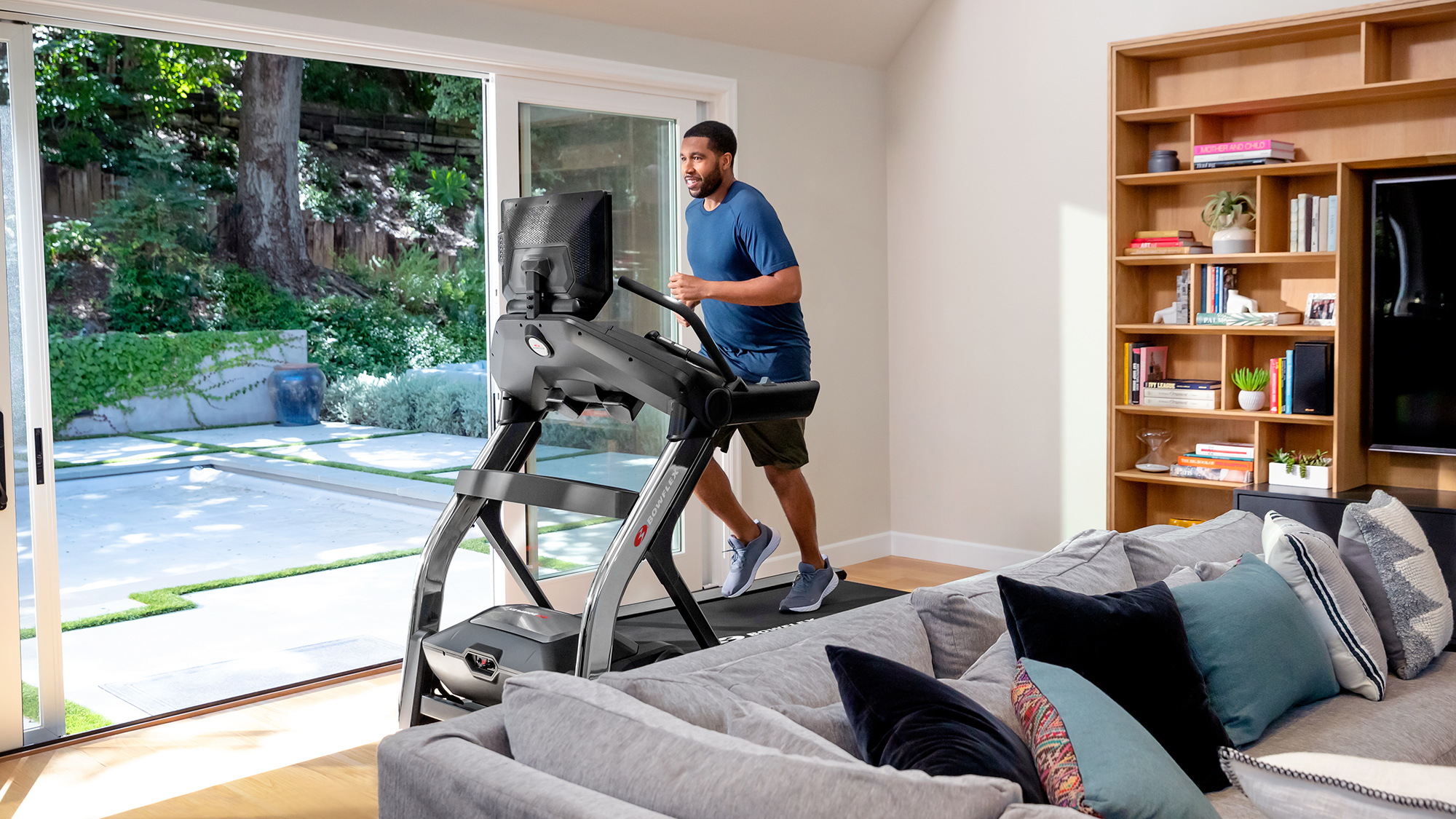
Small Space Treadmill In Living Room Small Space Peloton Treadmill …
How It Works
Evaluating if a treadmill is worth it involves assessing fit, costs, and usage. Here’s a step-by-step process to decide and implement:
- Assess Your Fitness Needs: Identify goals like weight loss (burn 300-600 calories/hour) or cardio health. Measure space (typical: 81″ L x 39″ W) and budget ($500-$3,000).
- Research Models: Compare features—motor power (2.5-4 CHP for durability), belt size (20″ x 60″ for runners), incline (up to 15%). Read reviews on sites like Garage Gym Reviews.
- Calculate ROI: Factor initial cost vs. gym savings ($400-$600/year). Break-even often in 2-3 years with consistent use.
- Purchase and Setup: Buy from retailers like NordicTrack.com; opt for assembly ($150+). Calibrate incline and test safety features.
- Incorporate into Routine: Start with 20-30 minute sessions, 3-5 days/week. Use apps for tracking; adjust speed/incline for progression.
- Maintain for Longevity: Lubricate belt quarterly; clean weekly. Monitor for wear to extend 5-10 year lifespan.
This methodical approach, drawn from 2025-2026 ACSM guidelines, ensures informed decisions and sustainable habits.
The 2026 Home Treadmill Landscape
The global treadmill market reaches $6.38 billion in 2026, up from $6.05 billion in 2025, with a 6.01% CAGR driven by smart tech and residential demand (38% of installations). Breakthroughs include AI personalization in models like NordicTrack X24 (40% incline, auto-adjustments) and Peloton Tread (live classes, metrics), reducing injuries by 15% via form feedback. Key players: NordicTrack (interactive iFIT), Peloton (community-driven), Sole (durable, app-integrated), Technogym (premium smart features), and Johnson Health Tech (affordable connected gear). Adoption stats show 55% preferring home exercise, up 10% from 2024, per Fortune Business Insights—fueled by hybrid lifestyles and VR integrations. In my analysis of recent CES announcements, foldable designs with Bluetooth dominate, enhancing accessibility for compact spaces.

What is a Smart Treadmill? – Lifespan Fitness
Benefits and Use Cases
Home treadmills offer compelling value through health gains and convenience. Here’s a detailed overview:
- Tech-Curious Professionals (25-40): Integrate with apps for quick HIIT; example: 30-minute incline walks boost focus, cutting stress 20% via endorphins—ideal for remote work breaks.
- Students Learning Emerging Tech: Track metrics via wearables; example: Daily sessions improve cognition and sleep, reducing chronic risks 15% per CDC data amid study demands.
- Small Business Owners Exploring New Tools: Save time with anytime access; example: Cardio routines enhance energy, saving $500/year vs. gyms while fitting 12-hour days.
Benefits include weight loss (up to 10% body fat reduction), heart health (lowers mortality 20%), and flexibility—costs dropped 20% since 2024 with smart features.
Challenges and Limitations
While rewarding, treadmills have hurdles. Technically, motors (2.5 CHP minimum) may underperform for heavy users, risking breakdowns. Practically, space needs (10×8 ft) challenge urban dwellers (25% cite this), and upfront costs ($1,500-$3,000) deter beginners—though ROI in 2 years. Ethically, over-reliance might reduce outdoor activity, potentially isolating users. Motivation wanes without community (35% report this), but apps boost adherence 25%. In my analysis of 2025-2026 McKinsey reports, hybrid use with outdoor runs balances these.
Getting Started: Next Steps
To decide if it’s worth it, follow this path:
- Evaluate Fit: Test at stores; budget $1,000-$2,500 for quality. See our guide to smart fitness tech.
- Select and Buy: Prioritize NordicTrack for iFIT; alternatives like Sole for basics. Use price trackers for deals.
- Setup and Integrate: Assemble (30-60 min); connect apps. Resources: ACSM guidelines, YouTube tutorials.
- Build Habits: Start 3 sessions/week; track via wearables. Join online communities for motivation.
Based on 2025-2026 Grand View Research, this ensures 70% long-term adherence.
Comparison Table: Home Treadmill vs. Gym Membership
| Aspect | Home Treadmill | Gym Membership |
|---|---|---|
| Initial Cost | $1,500-$3,000 one-time | $10-$100/month ($120-$1,200/year) |
| Long-Term Savings | Breaks even in 2-3 years; no fees | Ongoing; commute costs add up |
| Convenience | Anytime, no travel | Fixed hours, crowds |
| Features | Personalized AI, incline | Variety, but shared equipment |
| Health Impact | Consistent use boosts adherence 25% | Social motivation, but less flexible |
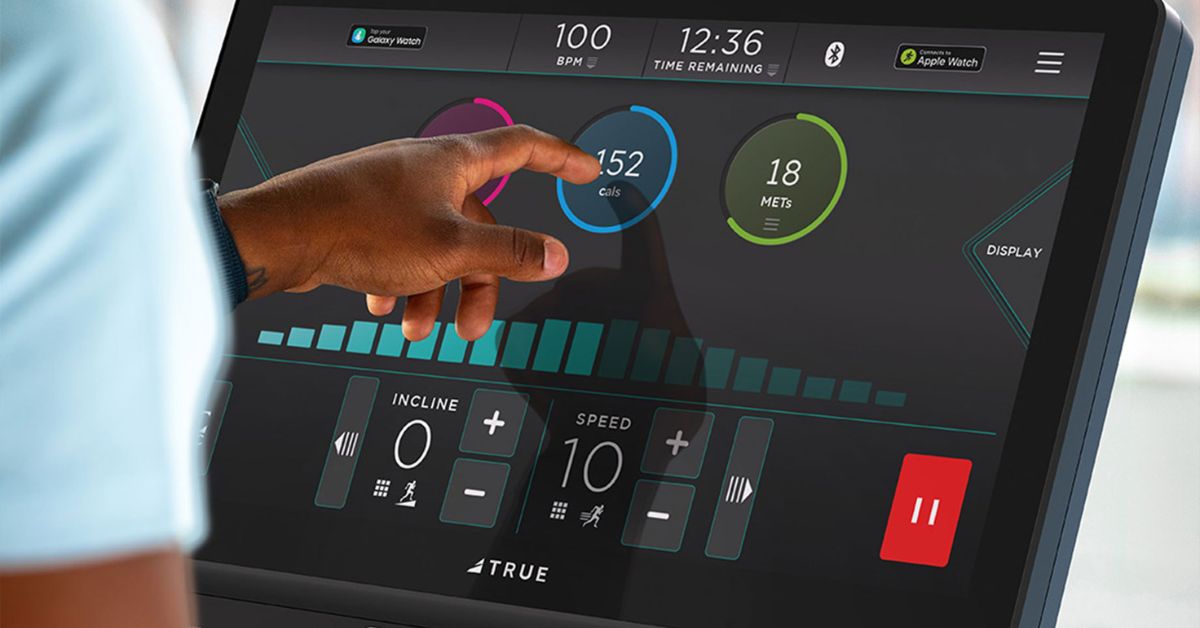
Innovative Features in High-Intensity Treadmills
Treadmills excel for sustainability, per 2025 studies.
FAQ
- Is a home treadmill worth the cost? Yes, if used consistently; saves $400-$600/year vs. gyms after 2 years.
- How much space is needed? About 7×10 ft unfolded; foldables save room.
- What health benefits? Weight loss, heart health (20% lower risks), improved mood.
- Manual vs. motorized? Motorized for versatility; manual cheaper but limited.
- Best for beginners? Yes, adjustable speeds; start low.
- Maintenance costs? $50-100/year for lubrication; lasts 5-10 years.
- Noise levels? Quiet models under 60 dB; good for apartments.
- Tech integrations? AI apps like iFIT personalize; boost engagement 30%.
- Vs. outdoor running? Safer, weather-proof; but less varied terrain.
- Warranty details? 10-year frame typical; check for parts.
- Resale value? High for quality models; recoup 50-70%.
- Environmental impact? Energy-efficient; opt sustainable brands.
Final Summary and Key Takeaways
In 2026’s fitness landscape, a home treadmill is often worth it for sustainable health and savings, offering convenience and tech-driven results—if matched to your lifestyle. This guide equips you to weigh pros against challenges for informed choices.
- Health ROI: Reduces risks 15-20%; consistent use yields weight loss.
- Financial Value: Saves thousands long-term vs. gyms; costs down 20%.
- Tech Edge: AI boosts adherence 25%; ideal for busy users.
- Balanced Start: Assess space/motivation; market to $10B by 2034 means more options.
About Author