Table of Contents
- How to Make Stationary Bike at Home?
- Methods for DIY Stationary Bike Conversion
- Wheel-On Stands
- Roller Systems
- Smart Indoor Conversions
- Essential Materials and Tools
- Step-by-Step Build Guide
- Cost Savings and Market Statistics
- Safety and Maintenance Tips
- FAQ – Making Stationary Bike at Home
- Final Thoughts
- About Author
- Maksuda Khanam
As an Amazon Associate, I earn from qualifying purchases.
How to Make Stationary Bike at Home?
How to Make Stationary Bike at Home? Making a stationary bike at home involves converting an existing bicycle into an indoor trainer using DIY methods like building a stand from wood and PVC or rollers for resistance, costing under $50 with basic tools and materials.
Methods for DIY Stationary Bike Conversion
Converting a regular bike into a homemade stationary bike saves money amid rising fitness equipment prices. Popular approaches include wheel-on stands, rollers, and smart integrations.
Wheel-On Stands
Wheel-on designs clamp the rear axle and use friction against the tire for resistance. Build one using plywood for the base, metal brackets for stability, and rubber straps to secure the wheel.
- Pros: Simple assembly; adjustable tension.
- Cons: Tire wear over time.
A 2021 tutorial shows a $25 version using scrap wood and hardware store items.
Roller Systems
Rollers consist of three drums allowing free pedaling, improving balance. Construct from PVC pipes (3-4 inch diameter) as rollers, mounted on a wooden frame 24-30 inches long.
- Frame: 2×4 lumber for elevation.
- Rollers: Schedule 40 PVC with bearings.
This method enhances pedaling efficiency, per a detailed Instructables guide. For step-by-step visuals, explore this Instructables DIY Bike Rollers project.
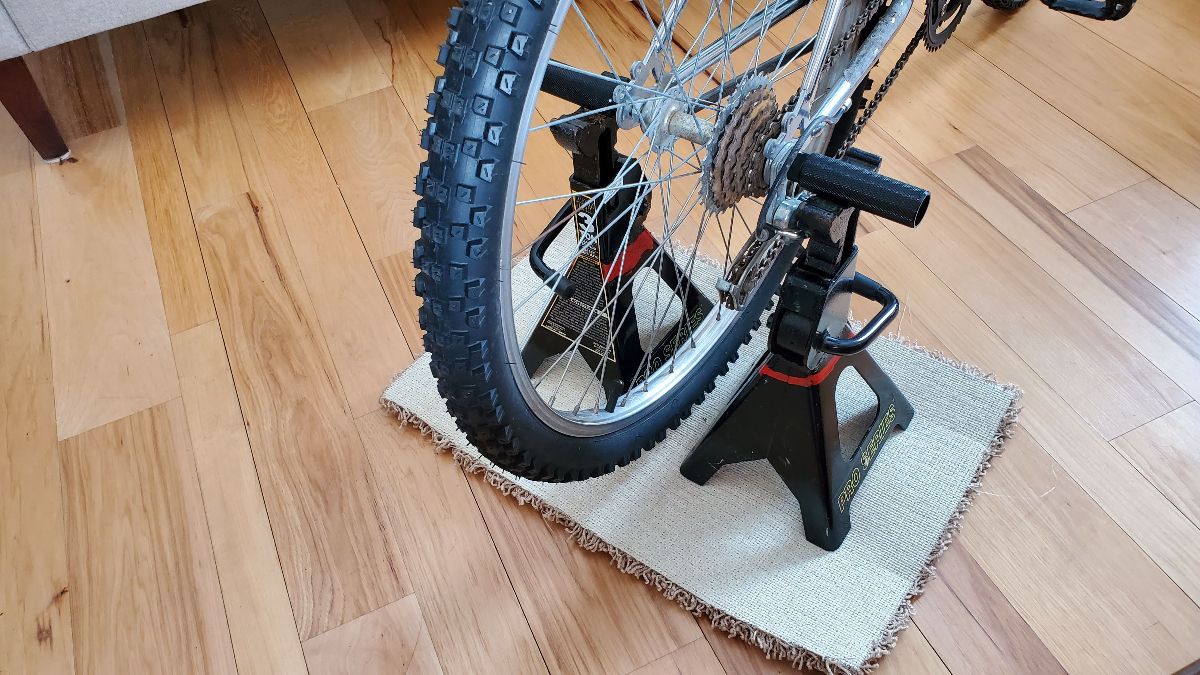
DIY Stationary Bike – Easiest Way to Turn Your Bike into an …
Smart Indoor Conversions
Add sensors for app integration like Zwift. Use a basic trainer with Bluetooth speed/cadence devices ($20-40). REI recommends pairing with existing bikes for immersive rides. Learn more in this REI guide on building a smart indoor bike.
Essential Materials and Tools
Gather affordable items from home improvement stores. Total cost: $20-100.
| Material/Tool | Purpose | Est. Cost (2025) | Alternatives |
|---|---|---|---|
| Plywood (4×8 ft sheet) | Base frame | $25 | Scrap wood |
| PVC Pipes (3-4″ dia.) | Rollers | $15 | Metal conduits |
| Bearings/Bolts | Smooth rotation | $10 | Bike parts |
| Webbing/Straps | Wheel security | $5 | Rope or belts |
| Tools: Saw, Drill | Assembly | Owned | Borrow |
Best materials include durable PVC for low friction and treated wood to prevent warping, as advised in expert reviews. Magnetic resistance units from old trainers add realism without complex builds.

Best Design DIY Bike Trainer Generator : 10 Steps (with Pictures …
Step-by-Step Build Guide
- Measure Bike: Note wheelbase (typically 40-42 inches) for frame sizing.
- Cut Frame: Saw wood into two 48-inch sides and crossbars.
- Assemble Rollers: Drill holes for axles; insert PVC over rods with bearings.
- Mount Bike: Secure rear wheel; add front block for stability.
- Test Resistance: Pedal to check smoothness; adjust straps.
A YouTube demo illustrates a full build in under an hour. For safety, use trainer-specific tires to avoid slips, per Liv Cycling tips. View setup details at Liv Cycling’s indoor training guide.
Cost Savings and Market Statistics
DIY stationary bikes cut expenses significantly. Commercial models average $300-1,500, while homemade versions cost $25-100. The home exercise bike market hit $1.68 billion in 2024, projected to reach $3.13 billion by 2033 at 8.1% CAGR, driven by DIY trends amid 180% price hikes over 10 years. In 2022, 27% of US consumers bought home fitness gear, with DIY surging post-pandemic.
Quote: “Exercise bikes have seen the largest price increase—with prices up more than 180%,” notes Garage Gym Reviews.
Safety and Maintenance Tips
Ensure stability to prevent falls; test on flat surfaces. Maintain by lubricating bearings quarterly. Use mats under setups to protect floors. Replace tires after 500-1,000 miles. For best practices, refer to Consumer Reports’ exercise bike reviews.
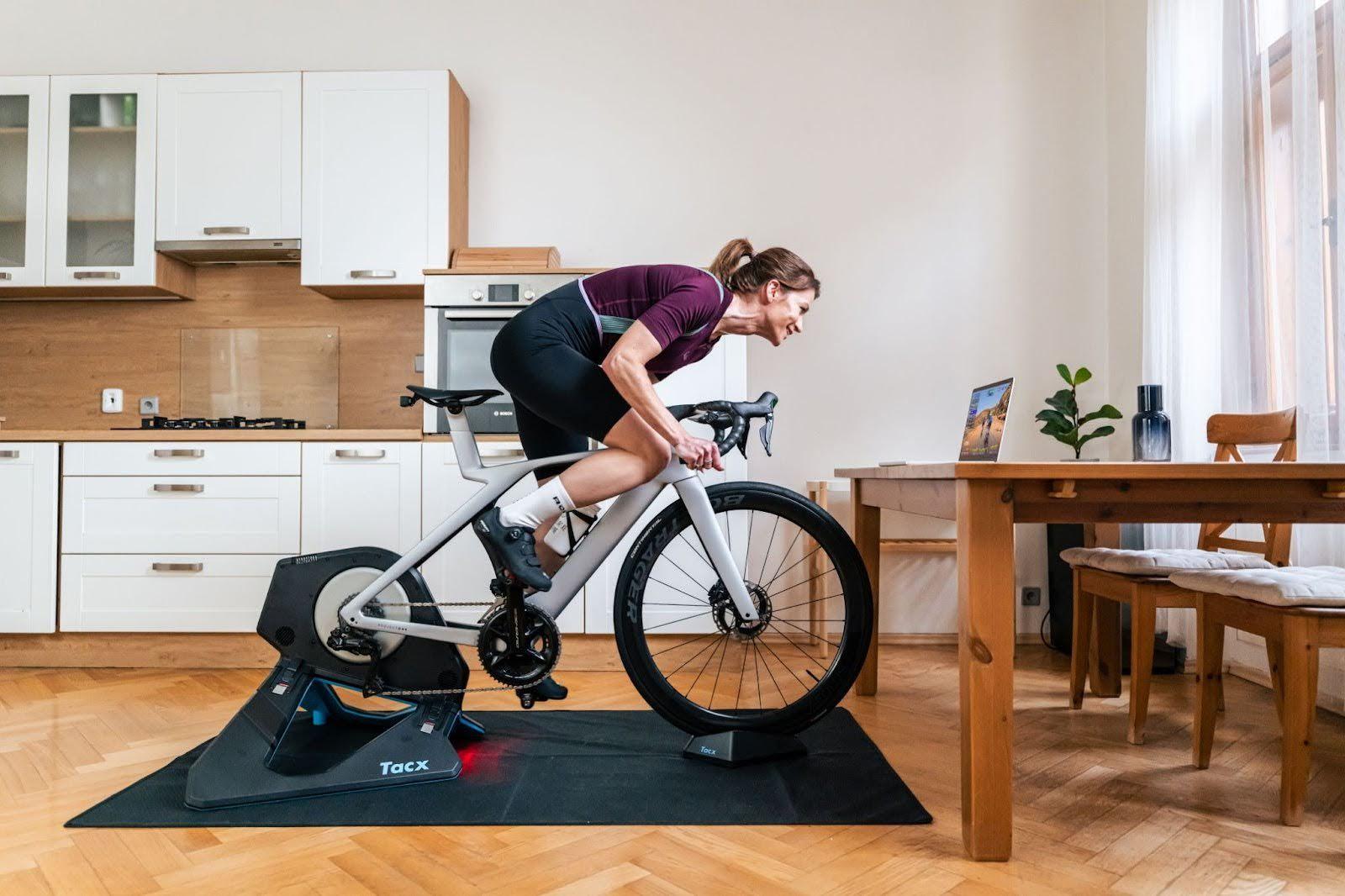
Best indoor cycling setup: Build your ultimate pain cave | ROUVY
FAQ – Making Stationary Bike at Home
Q: What bike types work for DIY stationary conversion? A: Road, mountain, or hybrid bikes; ensure compatible axle (quick-release or thru-axle).
Q: How long does a DIY build take? A: 1-2 hours for basic stands; rollers may need 3-4 hours.
Q: Is it safe for beginners? A: Yes, with proper securing; start slow to build balance on rollers.
Q: Can I add resistance? A: Yes, incorporate magnetic units or fluid from kits for progressive tension.
Final Thoughts
Creating a homemade stationary bike empowers budget-conscious fitness enthusiasts to stay active indoors. With market growth fueling innovation, DIY options offer customization and savings—ideal for winter training or home gyms. Experiment with builds, prioritize safety, and enjoy pedaling from your living room.
About Author