Table of Contents
- How Much Is an Electric Tricycle Car?
- What Is an Electric Tricycle Car?
- Factors Affecting Electric Tricycle Car Prices
- Price Ranges for Electric Tricycle Cars
- Top Electric Tricycle Cars in 2025 and Their Prices
- Additional Costs Beyond the Purchase Price
- FAQ
- How far does an electric tricycle car go on one charge?
- Are e-tricycle cars suitable for cargo delivery?
- What’s the weight limit for these vehicles?
- Do 2025 tariffs raise prices?
- Can I finance an electric tricycle car?
- Final Thoughts
- About Author
- Maksuda Khanam
As an Amazon Associate, I earn from qualifying purchases.
How Much Is an Electric Tricycle Car?
How Much Is an Electric Tricycle Car? Electric tricycle cars, often enclosed cargo or passenger models, cost $1,000-$30,000 in 2025. Basic cargo versions start at $1,000-$3,000 with 500-1000W motors and 40-60km ranges; mid-range passenger e-trikes run $3,000-$10,000 for 1500W power and 80-100km ranges; premium enclosed luxury models exceed $10,000 up to $85,000.
What Is an Electric Tricycle Car?
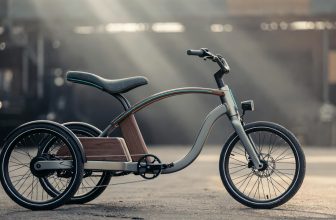
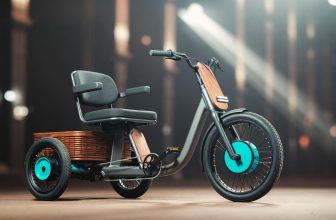
Electric tricycle cars, or e-trike cars, are three-wheeled vehicles blending tricycle stability with car-like enclosures for weather protection and passenger/cargo hauling. Designed for urban delivery, senior transport, and family use, they feature cabins, seats, and high payloads up to 550 lbs. In 2025, they reduce urban emissions by 40% versus gas vehicles, per Maximize Market Research. Global sales reached 1.5 million units in 2024, projected at 16.3% CAGR to $64.17 billion by 2032, driven by last-mile logistics and eco-policies.
Factors Affecting Electric Tricycle Car Prices
Costs vary by specs and externalities. Motor power from 500W for flats to 3000W for loads adds $300-$1,000. Battery type—lead-acid ($200 cheaper, 2-3 year life) versus lithium-ion (500+ cycles, +$500)—impacts range and weight. Enclosures like plastic cabins boost prices 15-25% for weatherproofing.
Payload and features such as hydraulic brakes, reverse gears, or 300-lb cargo boxes inflate costs 10-20%. 2025 U.S. tariffs on Chinese imports (25%) raise prices 10-15%, per U.S. Trade Representative data. Labor and overhead in production add 5-10%, with stainless steel frames premium at +$400 for durability.
| Factor | Price Impact | Example Cost |
|---|---|---|
| Motor Power | +$300-$1,000 | 500W to 2000W |
| Battery Type | +$200-$800 | Lead-Acid to Lithium |
| Enclosure | +$500-$2,000 | Open to Full Cabin |
| Payload Features | +$200-$600 | Cargo Box, Seats |
| Tariffs (2025) | +10-15% | Import Duties |
Price Ranges for Electric Tricycle Cars
Tiers match usage and budget. Basic cargo models ($1,000-$3,000) suit deliveries with 500-1000W motors and 40-60km ranges, holding 35% market share in 2025. Open frames keep costs low but expose loads.
Mid-range passenger e-trikes ($3,000-$10,000) dominate at 50% share, offering enclosed cabins, 1500W motors, and 80-100km ranges for urban taxis. These handle 3-5 passengers, ideal for seniors.
Premium models ($10,000-$85,000) target luxury with 2000W+ motors, full suspension, and 100+km ranges, comprising 15% but growing 20% yearly. Custom campers like Honda’s hit $80,000. “E-trike cars transform logistics into sustainable reality,” per Jolmolangma’s 2025 report.
Top Electric Tricycle Cars in 2025 and Their Prices
2025’s leaders excel in enclosure, power, and utility, per expert tests:
- Lectric XP Trike 2 ($1,499): 500W motor, 45-mile range, optional cargo enclosure. Best budget stability.
- RadPower RadTrike ($1,999): 750W, 50-mile range, 300-lb payload with cabin add-on. Top for seniors.
- Perraro Ridex Passenger ($3,299): 1000W, 60km range, 3-seat enclosure. Family transport leader.
- Addmotor Grandtan Cargo ($2,500): 750W, 60-mile range, enclosed box. Delivery standout.
- Honda Gold Wing Camper ($75,000-$85,000): 2000W equivalent, 150-mile range, luxury cabin. Premium tourer.
For detailed reviews, see Electric Bike Report’s 2025 guide.
Additional Costs Beyond the Purchase Price
True ownership factors in extras. Charging costs $0.18-$1 per full cycle at 18¢/kWh—80% cheaper than gas equivalents, per AGL-Trike data. Annual: $50-$150 for 5,000km.
Battery replacement runs $300-$800 every 2-5 years. Maintenance averages $200-$400 yearly for tires ($100), brakes ($50), and enclosures ($150), 30% below cars.
Accessories like locks ($50) or racks ($200) and shipping ($200) accumulate. Five-year total: $1,500-$3,000, saving $3,000+ vs. gas vehicles. Explore ownership insights at Allied Market Research.
FAQ
How far does an electric tricycle car go on one charge?
40-150km, based on battery (20-80Ah) and load. Premium lithium models exceed 100km.
Are e-tricycle cars suitable for cargo delivery?
Yes—payloads up to 550 lbs and enclosures protect goods, cutting logistics costs 40%.
What’s the weight limit for these vehicles?
300-600 lbs total, including passengers/cargo; heavy-duty cargo variants hit 1,000 lbs.
Do 2025 tariffs raise prices?
Yes—25% U.S. duties on imports add 10-15%.
Can I finance an electric tricycle car?
Yes—0% APR plans common; check RadPower Bikes for options.
Final Thoughts
2025’s electric tricycle cars deliver enclosed, stable transport at scalable prices, with 16.3% market growth underscoring their logistics edge. Align features to needs—enclosures for passengers, power for cargo—and calculate full costs for ROI. As adoption rises, these vehicles promise efficient, green urban mobility for all.
About Author