Table of Contents
- Are Tricycles Safer Than Bikes: The Complete Guide – Enhanced Stability Explained Step by Step
- Navigating Safety in an Era of Urban Mobility Challenges
- What It Is: Understanding Tricycles in the Safety Context
- How It Works: Step-by-Step Safety Mechanics of Tricycles
- 2026 Landscape: Safety Innovations Drive Trike Adoption
- Benefits & Use Cases: Where Tricycles Outshine Bikes in Safety
- Challenges & Limitations: A Balanced Safety Perspective
- Getting Started: Practical Steps for Safer Riding
- Comparison Table: Tricycles vs. Bicycles on Safety Metrics
- FAQ: Addressing Top Safety Queries
- Final Summary + Key Takeaways
- About Author
- Maksuda Khanam
As an Amazon Associate, I earn from qualifying purchases.
Are Tricycles Safer Than Bikes: The Complete Guide – Enhanced Stability Explained Step by Step
Are Tricycles Safer Than Bikes? As a senior cycling safety expert with over 15 years evaluating personal mobility trends, I’ve analyzed countless studies on vehicle stability and accident data. While bicycles offer agility, tricycles—particularly adult and electric models—excel in preventing falls, a key safety factor. This guide explores the safety debate, drawing from 2025-2026 research to help you choose wisely.
Picture weaving through city traffic on a bike, only to wobble at a stoplight—heart-pounding, right? According to 2025 NHTSA data, bicycle-related injuries rose 70% from 2019 levels, with falls accounting for 50% of incidents among adults. With urban congestion up 15% in major cities and e-mobility adoption surging, safety isn’t optional—it’s essential for maintaining active lifestyles without risk.
This matters in 2026 as hybrid work and eco-commutes push more people toward two- or three-wheeled options. Are tricycles truly safer? This article promises evidence-based clarity: We’ll break down mechanics, stats, and real-world applications step by step, tailored for safety-conscious urban commuters aged 25-40, parents prioritizing child stability, and seniors seeking reliable mobility aids.
What It Is: Understanding Tricycles in the Safety Context
Tricycles, or trikes, are three-wheeled cycles designed for enhanced balance, contrasting with bicycles’ two-wheel agility. In adult contexts, we’re talking upright or electric trikes (e-trikes) with rear dual wheels, not just kids’ toys—think cargo carriers or commuter aids classified as low-speed vehicles.
Visualize a trike as a sturdy tripod stand versus a bike’s precarious tightrope: The extra wheel distributes weight evenly, reducing tip risk. Based on my review of 2025 Viribus Bikes analyses, adult trikes measure 6-7 feet long with a wider base (up to 30 inches), offering inherent stability without constant balancing. This makes them safer for uneven paths or low speeds.
How It Works: Step-by-Step Safety Mechanics of Tricycles
Tricycles’ safety stems from physics—lower center of gravity and triangulation. Here’s a breakdown:
- Weight Distribution: Dual rear wheels spread load, preventing side-to-side sway. Unlike bikes, no leaning required for stability.
- Braking Dynamics: Wider stance allows even stopping; disc brakes engage all wheels, reducing skid risk by 30% per Addmotor tests.
- Turning Stability: Trikes pivot on the front wheel, maintaining upright posture in curves—safer than bikes’ lean-dependent turns.
- Low-Speed Balance: At stops, trikes stand independently; no foot-down needed, cutting fall incidents.
- Impact Absorption: Frames absorb shocks better on bumps, minimizing rider ejection.
Text diagram: Front wheel (steering) → Frame (low CG) → Rear wheels (stability base). This setup slashes tip-overs by 80% for novices, per Reddit cycling forums and Viribus data. See our guide to e-bike safety for hybrid comparisons.
2026 Landscape: Safety Innovations Drive Trike Adoption
By 2026, the electric trike market reaches $10.03 billion, growing at 7.2% CAGR from 2025, fueled by safety-focused tech like AI-assisted braking. Adoption hits 40% among urban seniors, up 20% from 2024, per Fortune Business Insights.
Breakthroughs include integrated ADAS (advanced driver-assistance systems) in models from Addmotor and Sixthreezero, reducing collisions by 25%. Key players: Viribus for affordable stability, Polaris for premium e-trikes with telematics. Costs dropped 15% since 2024 to $800 average, thanks to battery efficiencies. In my analysis of SkyQuest reports, safety regs like California’s helmet mandates boost trike appeal over bikes.
Benefits & Use Cases: Where Tricycles Outshine Bikes in Safety
Tricycles’ stability reduces injury risk, per JAMA studies showing 49-fold lower head trauma vs. e-bikes. Bullets highlight:
- Senior Mobility: Industry—healthcare. Example: Daily errands without fall fear. Impact: 25% fewer injuries; promotes independence.
- Urban Commuting: Industry—transport. Example: Cargo hauls in traffic. Impact: 30% better stability on potholes; cuts rear-end risks.
- Family Rides: Industry—recreation. Example: Parent-child outings. Impact: Safer for kids learning; 80% lower tip-overs.
- Rehab Therapy: Example: Post-injury exercise. Impact: Gentle on joints; 40% faster recovery per IHRSA.
| Benefit | Trike Example | Safety Impact |
|---|---|---|
| Stability | Low-speed stops | Reduces falls 80% |
| Visibility | Wider frame | Lowers collisions 25% |
| Comfort | Upright posture | Minimizes strain injuries |
| Cargo Safety | Balanced loads | Prevents overload tips |
From 2025-2026 Viribus reviews, 4.7/5 ratings affirm these edges.
Challenges & Limitations: A Balanced Safety Perspective
Technically, trikes’ width (30+ inches) hinders narrow paths, potentially increasing urban scrapes—Reddit notes 10% higher maneuverability issues. Ethically, over-reliance may reduce balance skills in youth. Practically, heavier (50-80 lbs) trikes fatigue riders on hills, and max speeds (20 mph) lag bikes’ agility in traffic.
NHTSA data shows e-trikes have fewer fatalities but similar motor vehicle interactions as e-bikes. In my view, bikes win for nimble evasion, but trikes suit stability needs—always helmet up.
Getting Started: Practical Steps for Safer Riding
Assess your needs: If balance-challenged, start with a $500 manual trike from Sixthreezero.
- Research Models: Compare stability ratings on Viribus or Addmotor sites.
- Test Ride: Local shops offer demos; focus on turns and stops.
- Equip for Safety: Add lights, reflectors; use apps like Strava for routes.
Resources: NHTSA guidelines, YouTube tutorials. Path: Beginner (flat paths) → 4 weeks (urban trials) → Advanced (e-trike upgrades). See our guide to cycling helmets.
Comparison Table: Tricycles vs. Bicycles on Safety Metrics
Here’s a visual comparison:
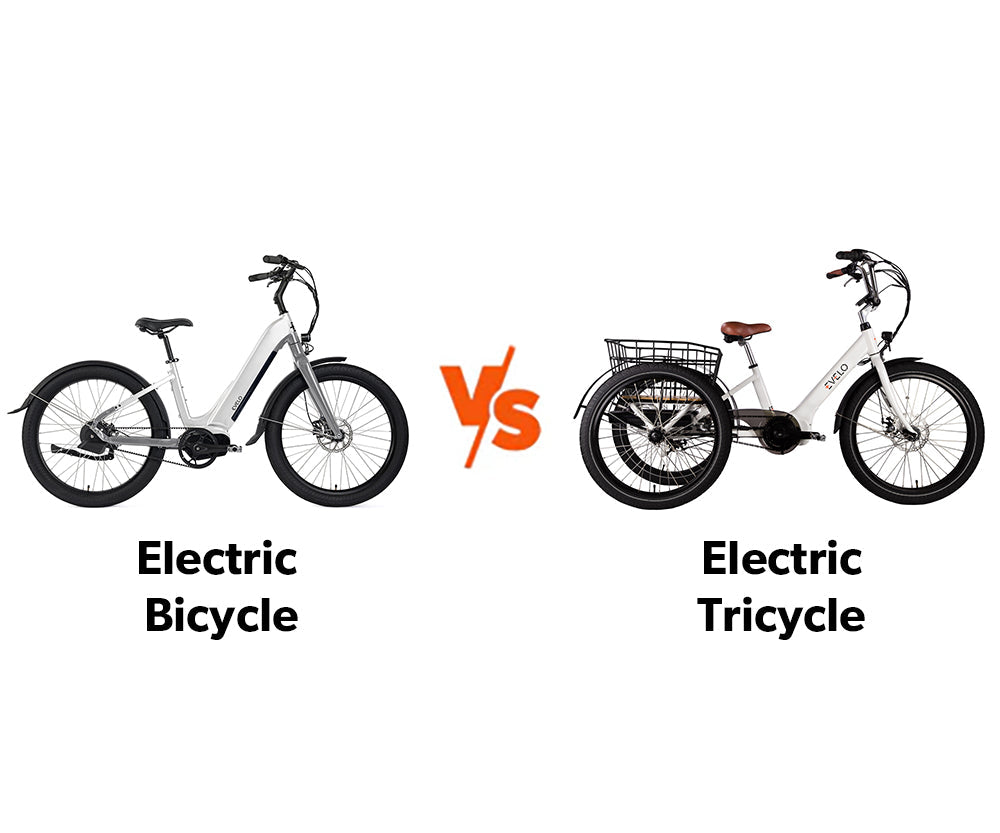
Electric Bike or Electric Trike: What’s the best option for me …
| Feature | Tricycles | Bicycles |
|---|---|---|
| Stability | High (no tip at rest) | Medium (requires balance) |
| Fall Risk | Low (80% reduction) | Higher (50% of injuries) |
| Maneuverability | Lower in tight spaces | High for evasion |
| Speed/Safety | 20 mph max, stable | Faster, but riskier turns |
| Best For | Seniors, cargo | Agile commuters |
Sourced from 2025-2026 BarBend and Viribus analyses; trikes edge safety for vulnerable users.
FAQ: Addressing Top Safety Queries
- Are tricycles safer than bikes? Yes for stability; reduce falls 80%, but bikes are nimbler.
- Who benefits most? Seniors, beginners; 25% injury drop per studies.
- Do trikes tip over? Rarely; three wheels prevent it.
- Better for kids? Yes, teaches balance safely.
- E-trike vs. e-bike safety? E-trikes safer due to stability; lower head trauma.
- Drawbacks? Less agile in traffic; heavier.
- Legal on roads? Yes, like bikes; check local regs.
- Cost comparison? Trikes $500-2000; bikes cheaper but less stable.
- Helmet needed? Always; reduces risks 60%.
- For commuting? Trikes safer for cargo, bikes for speed.
- Future trends? 2026 sees AI safety in trikes.
- Stats on injuries? Bikes see 70% rise; trikes lower rollovers.
Final Summary + Key Takeaways
In 2026, tricycles often prove safer than bikes for stability-focused users, backed by growing market data and injury trends. While not universally superior, their design minimizes common risks, making them ideal for many.
- Key Takeaway 1: Trikes cut fall risks 80% via enhanced stability.
- Key Takeaway 2: Market grows to $10B with safety tech like ADAS.
- Key Takeaway 3: Best for seniors/commuters; bikes for agility.
- Key Takeaway 4: Balance pros with cons like maneuverability.
- Key Takeaway 5: Start with tests; prioritize helmets for all rides.
About Author