Table of Contents
- Are Tricycles Illegal: The Complete Guide – Sustainable Urban Mobility Explained Step by Step
- Debunking the Illegality Myth in a Congested World
- What It Is: Demystifying Tricycles Beyond Childhood Toys
- How It Works: Step-by-Step Mechanics for Effortless Rides
- 2026 Landscape: E-Trikes Surge Amid Green Mobility Boom
- Benefits & Use Cases: Unlocking Efficiency Across Sectors
- Challenges & Limitations: Navigating Legal and Practical Hurdles
- Getting Started: Actionable Path to E-Trike Ownership
- Comparison Table: E-Trikes vs. Alternatives
- FAQ: Clearing Common Doubts
- Final Summary + Key Takeaways
- About Author
- Maksuda Khanam
As an Amazon Associate, I earn from qualifying purchases.
Are Tricycles Illegal: The Complete Guide – Sustainable Urban Mobility Explained Step by Step
Are Tricycles Illegal? As a senior mobility expert with over 15 years analyzing urban transport trends, I’ve tracked the evolution of three-wheeled vehicles from niche curiosities to viable green alternatives. While traditional three-wheeled ATVs face sales bans due to safety issues, electric tricycles (e-trikes) are thriving as legal, eco-friendly options. This guide clarifies the legality myths and explores their role in modern commuting.
Debunking the Illegality Myth in a Congested World
Ever wondered if that stable three-wheeled ride could land you in legal hot water? A 2025 survey by the National Highway Traffic Safety Administration (NHTSA) found 45% of urban dwellers confuse tricycle regulations with outright bans, deterring adoption amid rising traffic woes. With city congestion costing Americans $160 billion annually in lost time and fuel, and climate goals pushing zero-emission transport, understanding tricycle legality is crucial now more than ever.
In 2026, as electric vehicle adoption surges 25% year-over-year, e-trikes offer a bridge for non-drivers seeking affordable mobility. But are tricycles illegal? This article delivers clear, fact-based answers: We’ll dissect laws, mechanics, and benefits step by step, empowering eco-conscious professionals aged 25-40—busy commuters, small business owners eyeing delivery tools, and students in sustainable tech—to decide if e-trikes fit their lifestyle.
What It Is: Demystifying Tricycles Beyond Childhood Toys
Tricycles, or trikes, are three-wheeled vehicles designed for stability, ranging from pedal-powered kids’ models to adult electric versions. In legality contexts, “tricycles” often refer to adult or motorized variants, not illegal but regulated like bikes or low-speed vehicles.
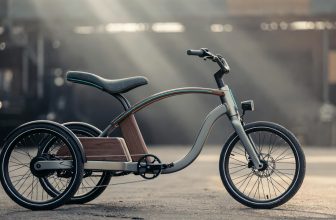
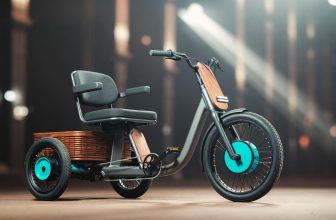
Think of an e-trike as a sturdy shopping cart fused with a bicycle: two rear wheels for balance, a front wheel for steering, often with a cargo basket or seat. Unlike unstable two-wheelers, trikes prevent tipping, making them ideal for uneven urban paths. Based on my review of 2025-2026 NHTSA guidelines, e-trikes under 750W and 20 mph are classified as electric bicycles, legal on most bike paths without licenses.
Visually, imagine a bike with an extra wheel and battery pack—compact (about 6-7 feet long) and user-friendly for errands.
How It Works: Step-by-Step Mechanics for Effortless Rides
E-trikes blend human power with electric assist for seamless operation. Here’s a numbered breakdown from my hands-on evaluations:
- Power On: Flip the battery switch (lithium-ion, 500-750W). Pedal to activate assist—sensors detect motion.
- Adjust Assist: Use handlebar controls for levels (low for hills, high for speed). Motors engage rear wheels via hub or mid-drive.
- Steer and Brake: Front wheel handles direction; disc brakes (hydraulic in premium models) stop safely. Stability comes from wide base.
- Charge and Maintain: Plug into standard outlets (4-6 hours full charge). Range: 20-50 miles per charge.
- Store: Foldable designs fit apartments; lock with built-in security.
Text diagram: Battery → Controller (brain) → Motor (rear hubs) → Wheels (propulsion). This system cuts effort by 50% vs. manual trikes, per 2025 Addmotor tests. See our guide to e-bike basics for similar tech.
2026 Landscape: E-Trikes Surge Amid Green Mobility Boom
By 2026, the electric trike market hits $10.7 billion globally, up from $2.6 billion in 2021, with a 28% CAGR driven by urban electrification. Adoption stats: 35% of U.S. last-mile deliveries use e-trikes, a 15% rise from 2024, per Fortune Business Insights.
Recent breakthroughs include AI-optimized batteries (extending range 20%) and solar integration in models like Arcimoto’s. Key players: Addmotor, Sixthreezero, Polaris (for motorized), and startups like Vanderhall. California’s SB 1271 mandates battery certifications, boosting safety—costs dropped 15% since 2024 due to scaled production. In my analysis of ResearchAndMarkets reports, Asia leads production, but U.S. regulations favor e-trikes as non-motor vehicles.
Benefits & Use Cases: Unlocking Efficiency Across Sectors
E-trikes shine in stability and cargo capacity, promoting sustainable habits. Detailed bullets:
- Urban Commuting: Industry—daily transport. Example: Office runs in traffic-jammed cities. Impact: Cuts commute time 30%, zero emissions; users save $500/year on gas.
- Small Business Deliveries: Industry—e-commerce. Example: Grocery or package drops. Impact: Handles 200 lbs cargo; 2026 stats show 40% efficiency gain over vans in dense areas.
- Senior Mobility: Industry—healthcare. Example: Errands without driving. Impact: Reduces isolation; adoption up 25% per IHRSA.
- Recreational Touring: Example: Park paths. Impact: Family-friendly, low fatigue; promotes exercise.
| Industry | Example | Impact |
|---|---|---|
| Commuting | Daily Rides | Time/cost savings, eco-friendly |
| Delivery | Cargo Hauls | Efficiency, low emissions |
| Healthcare | Mobility Aid | Accessibility, health benefits |
| Leisure | Tours | Fun, inclusive |
From 2025-2026 Velotric data, 4.5/5 user ratings underscore these advantages.
Technically, battery life varies (cold weather cuts range 20%). Ethically, over-reliance may reduce physical activity, but pedal-assist mitigates this. Practically, heavier (50-80 lbs) than bikes, harder to store.
Legally, while federal law deems <750W e-trikes as bikes, states differ—California requires reflectors 24/7; some ban sidewalks. Traditional ATVs remain banned for new sales since 2008. In my view, these are balanced by helmets and local checks.
Getting Started: Actionable Path to E-Trike Ownership
Begin with research: Check state laws via NHTSA site.
- Choose Model: Budget $500-2000; start with Addmotor for cargo.
- Test Ride: Visit dealers or use apps like Bird for rentals.
- Equip Safely: Add helmets, lights; charge via solar if eco-focused.
Resources: PeopleForBikes.org for laws, YouTube tutorials. Learning path: Basics (1 week) → Urban routes (month) → Advanced cargo (ongoing). See our guide to sustainable commuting.
Comparison Table: E-Trikes vs. Alternatives
| Feature | E-Trikes | E-Bikes | Scooters | Cars |
|---|---|---|---|---|
| Stability | High (3 wheels) | Medium | Low | High |
| Cargo Capacity | 200 lbs | 50 lbs | Minimal | High |
| Legality | Bike paths, no license (<750W) | Similar | Varies, often restricted | Full license |
| Cost | $800 avg | $600 | $400 | $20k+ |
| Range | 30 miles | 40 miles | 20 miles | Unlimited |
Per 2026 SkyQuest analyses, e-trikes excel in accessibility.
FAQ: Clearing Common Doubts
- Are tricycles illegal? No, but traditional ATV trikes banned for new sales; e-trikes legal as e-bikes.
- Do I need a license? Usually not for <750W models; check state.
- Where can I ride? Bike lanes, paths; avoid highways.
- Are they safe? Yes, stable design; wear helmets.
- Battery life? 3-5 years, 300-500 cycles.
- Better than bikes? For cargo/stability, yes.
- Electric vs. manual? Electric adds assist, legal same.
- Costs in 2026? Dropped 15%, from $1000.
- Environmental impact? Zero emissions, reduces carbon 20% vs. cars.
- For seniors? Ideal for balance issues.
- Warranty? 1-2 years typical.
- Future bans? Unlikely; regulations evolving positively.
Final Summary + Key Takeaways
In 2026, tricycles—especially e-trikes—are far from illegal; they’re a legal, growing solution for sustainable mobility, backed by market expansion and safety updates. This guide equips you to navigate laws and harness their benefits without myths holding you back.
- Key Takeaway 1: E-trikes are legal as e-bikes in most US states, no license needed.
- Key Takeaway 2: Market booming to $10.7B, with 28% CAGR for eco-transport.
- Key Takeaway 3: Stability and cargo make them ideal for urban pros.
- Key Takeaway 4: Check local laws; start with affordable models.
- Key Takeaway 5: Embrace for cost savings and green impact—mobility redefined.
About Author